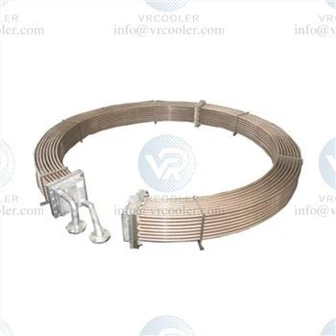
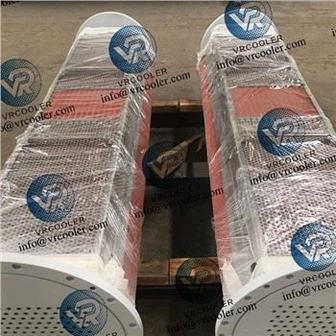
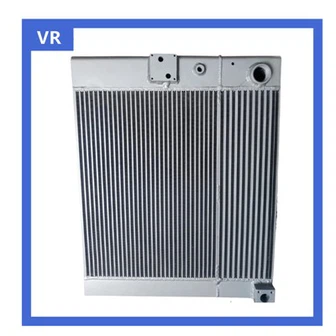
Horizontal Shell-and-Tube Heat Exchanger For Reactor Feed Heating And Cooling
Accurate temperature control of reactor feed streams is essential for stable reaction kinetics, product quality, and safe operation in chemical, petrochemical, pharmaceutical, and specialty process industries. Horizontal shell-and-tube heat exchangers are widely used for reactor feed heating or cooling due to their robust construction, flexible design, and ability to handle a wide range of pressures, temperatures, and process fluids.

Role of Reactor Feed Heat Exchangers
Reactor feed heat exchangers are installed upstream of the reactor to either preheat the feed to the required reaction temperature or remove excess heat to maintain controlled inlet conditions. Maintaining consistent feed temperature helps:
Ensure predictable reaction rates
Improve product yield and selectivity
Prevent thermal shock to the reactor
Enhance overall process safety and efficiency
Horizontal shell-and-tube exchangers provide the thermal stability required for continuous and batch reactor operations.
Why Horizontal Shell-and-Tube Design Is Preferred
The horizontal shell-and-tube configuration offers several advantages for reactor feed duties:
Mechanical Strength: Suitable for high-pressure and high-temperature service common in reactor systems.
Process Flexibility: Can accommodate liquid–liquid, liquid–gas, or condensing/vaporizing duties.
Ease of Maintenance: Straight-tube or removable tube bundle designs allow mechanical cleaning and inspection.
Scalability: Easily designed for small pilot reactors or large-scale production units.
Stable Operation: Horizontal orientation supports consistent flow distribution and heat transfer performance.
Typical Construction and Materials
Horizontal shell-and-tube heat exchangers for reactor feed applications are engineered to match specific process conditions:
Tube Side: Reactor feed stream, allowing high velocity for efficient heat transfer and fouling control.
Shell Side: Heating or cooling medium such as steam, hot oil, cooling water, or thermal fluid.
Tube Materials: Carbon steel, stainless steel (AISI 304, 316/316L), duplex stainless steel, or special alloys.
Shell Materials: Carbon steel or stainless steel, selected based on corrosion and pressure requirements.
Tube Sheet and Baffles: Designed to withstand thermal cycling and ensure proper flow distribution.
Material selection is driven by process fluid compatibility, corrosion risk, and cleanliness requirements.
Design Considerations for Reactor Feed Applications
Proper exchanger design is critical to reliable reactor operation:
Thermal Performance: Accurate sizing ensures required approach temperatures and avoids overheating or undercooling.
Pressure Drop Control: Optimized baffle spacing and tube layout minimize pressure losses in the feed line.
Fouling Management: Tube-side velocity, material selection, and cleaning access reduce fouling risk.
Thermal Expansion: Expansion joints or floating head designs accommodate temperature differentials.
Safety Margins: Designed in accordance with ASME, TEMA, or PED standards.
Heating and Cooling Duties
Horizontal shell-and-tube heat exchangers are suitable for a wide range of reactor feed thermal duties:
Feed Preheating: Using steam or hot oil to raise feed temperature before entering the reactor.
Feed Cooling: Using cooling water or glycol to reduce feed temperature and protect reactor internals.
Heat Integration: Recovering heat from reactor effluent to preheat incoming feed, improving energy efficiency.
These duties can be combined in integrated process designs.
Typical Industrial Applications
Horizontal shell-and-tube reactor feed heat exchangers are commonly used in:
Chemical and petrochemical reactors
Polymerization and specialty chemical plants
Pharmaceutical and fine chemical production
Hydrogenation, oxidation, and esterification processes
Pilot plants and continuous processing units
Their versatility makes them suitable across a broad range of reaction systems.
Conclusion
Horizontal shell-and-tube heat exchangers are a proven and reliable solution for reactor feed heating or cooling. With robust construction, flexible material options, and precise thermal control, they support stable reactor operation, improved process efficiency, and long-term reliability. For critical reactor feed applications, the horizontal shell-and-tube design remains an industry-standard choice.