High- And Low-Temperature Intercoolers For Engines
High- and Low-Temperature Intercoolers for Engines
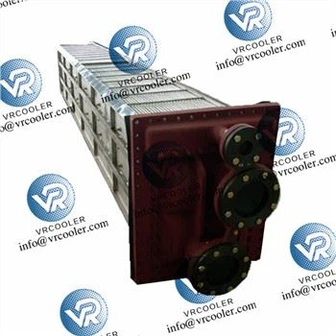
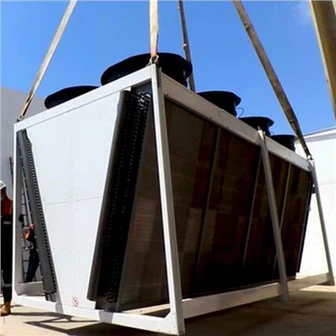
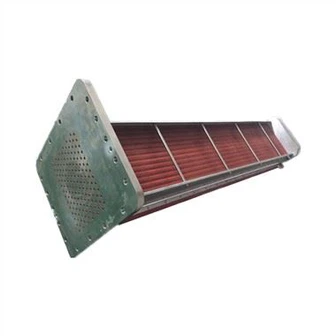
High-Pressure Intercooler
Function: Cools the high-temperature air compressed by the turbocharger.
Principle: When the turbocharger compresses air, it increases the air's internal energy and raises its temperature. The high-pressure intercooler is a heat exchanger that utilizes external air (or coolant) to dissipate waste heat from the pressurized air, thereby lowering its temperature.
Effect: Lowering the temperature of the pressurized air increases its density, allowing more oxygen to enter the cylinders. This enhances the engine's combustion efficiency and power output while reducing the risk of engine knocking.
Low-Pressure Intercooler
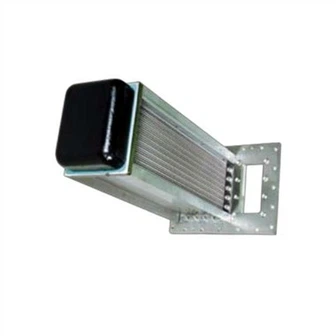
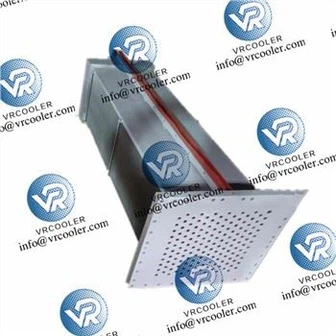
Function: Further cools air already cooled by the high-pressure intercooler, transferring heat to the engine coolant.
Principle: In certain multi-stage turbo systems, the low-pressure intercooler acts as a heat exchanger between the high-pressure intercooler and the engine's intake manifold.
Function: Further lowers air temperature, delivering colder air to the cylinders to enhance engine performance and efficiency.