High And Low Temperature Dry Coolers Play An Important Role in Gas Generator Sets
High and low temperature dry coolers play an important role in gas generator sets. A gas genset is a device that uses the combustion of gas (usually natural gas or liquefied petroleum gas) to generate power and convert it into electricity. In this kind of system, high and low temperature dry cooler is mainly used to control the temperature of gas generator set to ensure its efficient operation and stability.
We can supply high and low temperature dry coolers for well-known gas generator brands such as Gasoline engine, GE Jenbacher Gas Engine, Cummins Gas Engine, MWM Gas Engine, MTU Gas Engine, Caterpillar Gas Engine, Wartsila Gas Engine, GUASCOR Energy Gas Engine, Etc. Wartsila Gas Engine, GUASCOR Energy Gas Engine, Etc.
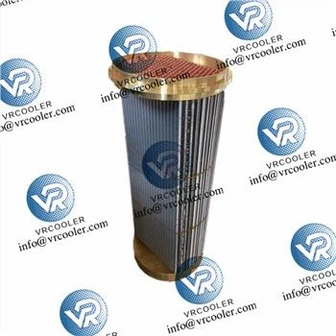
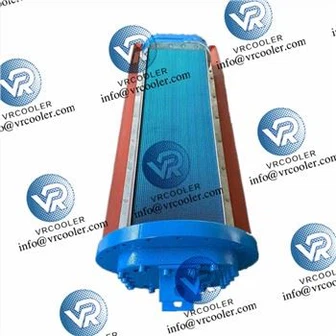
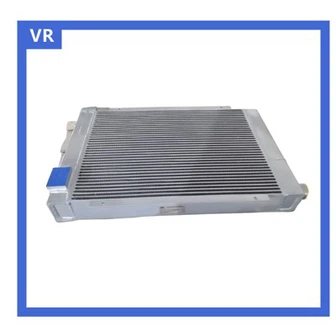
Below are some of the projects we have done:


Function and Role:
Temperature Control: The operating temperature of a gas generator set is critical to its performance and longevity. High and low temperature dry coolers can cool the high temperature portion of the gas genset generation through a process of cooling and heat exchange to a lower operating temperature range, thus improving efficiency and stability.
Remove waste heat: In the process of gas power generation, a large amount of waste heat is generated. High and low temperature dry coolers can help remove this waste heat, preventing the generator set from overheating and protecting critical components from thermal damage.
Improve efficiency: By controlling the temperature and removing waste heat, the HLTC helps to improve the overall efficiency of the gas-fired genset. This will allow the genset to produce more electricity for a given gas consumption.
Enhanced stability: Keeping the gas-fired genset within the appropriate temperature range helps to reduce temperature fluctuations and thermal stress, enhancing system stability and reliability.
Overall, the use of high and low temperature dry coolers in gas-fired gensets helps to increase power generation efficiency and reduce gas consumption, while extending equipment life and reducing maintenance costs. This makes gas-fired power generation technology increasingly important in the energy industry.