Dry Coolers For Gas Engine
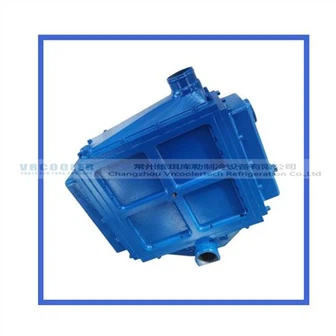
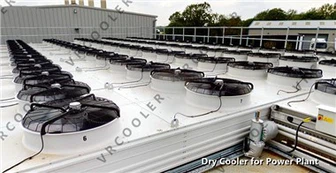
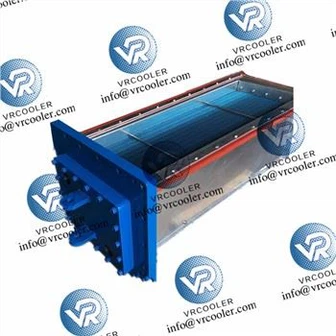
Dry coolers for gas engines, also known as air-cooled heat exchangers, are cooling systems used to remove excess heat from gas engines without the use of water. These coolers operate by utilizing air as the cooling medium, and they are especially well-suited for applications where access to water is limited or where water usage needs to be minimized.
We can supply high and low temperature dry coolers for well-known gas generator brands such as Gasoline engine, GE Jenbacher Gas Engine, Cummins Gas Engine, MWM Gas Engine, MTU Gas Engine, Caterpillar Gas Engine, Wartsila Gas Engine, GUASCOR Energy Gas Engine, Etc. Wartsila Gas Engine, GUASCOR Energy Gas Engine, Etc.
Below are some of the projects we have done:


Function and Operation:
1. Heat Exchange: Dry coolers facilitate heat exchange by directing the hot exhaust gases from the gas engine over a series of finned tubes. The heat from the exhaust gases is transferred to the metal tubes, and the air flowing over these tubes helps dissipate the heat into the surrounding environment.
2. Air Circulation: Fans are typically installed to enhance the airflow over the finned tubes, thus improving the cooling efficiency. These fans help maintain a steady flow of air over the heat exchanger, ensuring optimal heat transfer.
3. No Water Consumption: One of the primary advantages of dry coolers is that they do not require water for cooling, making them environmentally friendly and suitable for locations with water scarcity or stringent water usage regulations.
Applications:
Dry coolers for gas engines find applications in various industries, including power generation, cogeneration plants, natural gas processing, biogas plants, and other industrial processes where gas engines are used. Some specific applications include:
1. Power Generation: Gas engines are commonly used for electricity generation in both stationary power plants and mobile power units. Dry coolers help maintain the gas engine's operating temperature within the acceptable range, ensuring efficient and reliable power production.
2. Cogeneration: In cogeneration or combined heat and power (CHP) systems, gas engines are used to produce both electricity and heat. Dry coolers can dissipate the excess heat generated during this process.
3. Natural Gas Processing: Dry coolers are employed in natural gas processing facilities to cool down the gas after compression or during liquefaction processes.
4. Biogas Plants: Biogas produced from organic waste is often used to power gas engines in biogas plants. Dry coolers help manage the heat generated during biogas combustion.
Advantages:
- Water Conservation: As dry coolers do not require water for cooling, they are a more sustainable and water-saving option compared to traditional water-cooled systems.
- Location Flexibility: Dry coolers can be installed in areas where water supply or discharge is challenging, providing greater flexibility in plant location and setup.
- Lower Operating Costs: Dry coolers typically have lower operating costs and reduced maintenance requirements compared to water-cooled systems.
In summary, dry coolers play a crucial role in efficiently and sustainably cooling gas engines without the need for water, making them valuable assets in various industrial applications.