HT & LT Remote Radiator For Jenbacher J612 Gas Engine
High and low temperature dry coolers are widely used in gas-fired gensets, mainly to provide cooling and moisture control. A gas genset is a device that uses natural gas or other gas as fuel to generate electricity through an internal combustion engine. These internal combustion engines generate high temperatures during operation and need to be cooled to ensure proper operation and extended service life.
We can supply high and low temperature dry coolers for well-known gas generator brands, such as Gasoline engine, GE Jenbacher Gas Engine, Cummins Gas Engine, MWM Gas Engine, MTU Gas Engine, Caterpillar Gas Engine, Wartsila Gas Engine, GUASCOR Energy Gas Engine, Etc.
Below are some of the projects we have worked on
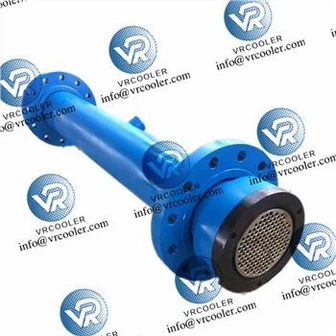
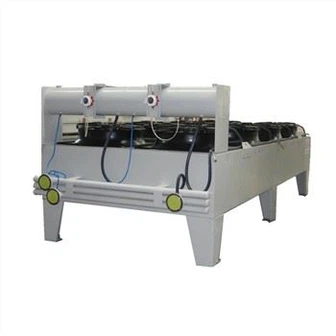
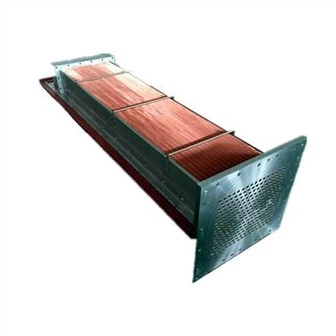
HT & LT Remote Radiator for Jenbacher J612 Gas Engine:


In gas generator sets, the main role of high and low temperature dry coolers are as follows:
Cooling the gas engine: the internal combustion engine will generate a lot of heat energy during operation, in order to prevent overheating and damage, it needs to be cooled. The high and low temperature dry cooler can circulate the coolant through the refrigerant circulation system and flow through the engine to take away the heat generated by the engine, thus reducing the internal temperature and ensuring the normal and efficient operation of the internal combustion engine.
Moisture control: gas often contains water vapour, if not treated, the water vapour will condense into water during the internal cooling process of the gas generator set, leading to engine and pipeline corrosion, and even cause unit failure. High and low temperature dry coolers can reduce the moisture content in the gas, reduce the condensation of water vapour and maintain a dry environment.
Improve power generation efficiency: By reducing the temperature of the internal combustion engine, the high and low temperature dry cooler can improve the thermal efficiency of the generator set. Internal combustion engines work more efficiently at lower temperatures, so cooling improves the overall efficiency of the genset and reduces energy waste.