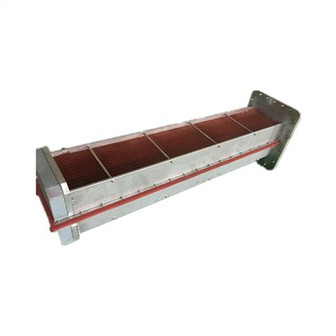
Heat Exchanger For Diesel Generator Waste Heat Recovery
Shell-and-Tube Heat Exchanger for Diesel Generator Waste Heat Recovery
A shell-and-tube heat exchanger is a core component in diesel generator (DG) waste heat recovery (WHR) systems. It efficiently captures high-temperature waste heat from DG exhaust gases, cooling water, or lubricating oil-then transfers this heat to a secondary fluid (e.g., water, thermal oil, or glycol) for reuse (e.g., space heating, domestic hot water, or process heat). This not only reduces energy waste and operating costs but also lowers the DG's carbon footprint. Below is a detailed breakdown of its key features, working principles, design considerations, and maintenance requirements.
Diesel generators produce significant waste heat during operation-accounting for 30–50% of total fuel energy input (the rest is used for electricity generation or lost to radiation). A shell-and-tube heat exchanger targets three main waste heat sources from DGs:
Exhaust Gas: The hottest stream (300–600°C), containing ~40% of total waste heat.
Engine Cooling Water: Circulates to cool the engine block, typically at 80–110°C (contains ~20% of waste heat).
Lubricating Oil: Cools engine moving parts, at 90–120°C (contains ~5% of waste heat).
The exchanger's role is to safely and efficiently transfer this heat to a usable secondary fluid, avoiding energy waste and reducing the need for separate heating systems (e.g., boilers in industrial facilities or commercial buildings).