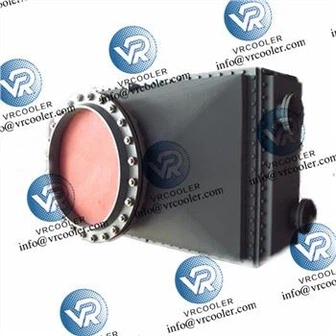
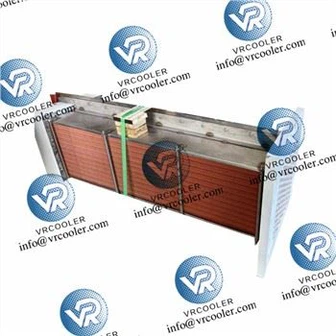
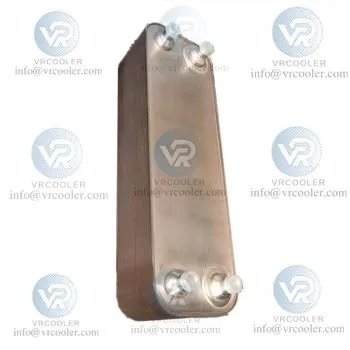
Marine Heat Exchanger & Charge Air Cooler
Marine Heat Exchanger & Charge Air Cooler
Marine Heat Exchanger & Charge Air Cooler: Core Components for Marine Propulsion Systems
Marine vessels (e.g., cargo ships, ferries, offshore platforms) rely on efficient thermal management to ensure engine performance, fuel economy, and compliance with maritime regulations. Marine Heat Exchangers and Marine Charge Air Coolers (CACs) are two critical components in this system-they work together to optimize engine operation, reduce emissions, and extend equipment lifespan. Below is a detailed breakdown of their functions, types, design considerations, maintenance, and key differences.
Marine Heat Exchanger
A marine heat exchanger transfers heat between two or more fluids (e.g., engine coolant, seawater, lubricating oil) without mixing them. Its primary role is to cool hot engine fluids (preventing overheating) or recover waste heat (for energy reuse, e.g., heating freshwater), which is vital for marine engines that operate continuously under high loads.
Key Functions in Marine Systems
Marine heat exchangers serve multiple critical purposes, tailored to the harsh marine environment:
Engine Cooling: Cool engine jacket water (the fluid that circulates around the engine block) using seawater or a secondary coolant (e.g., glycol). This keeps the engine at its optimal operating temperature (typically 85–95°C) to avoid damage from overheating.
Lubricating Oil Cooling: Cool engine lube oil-oil absorbs heat during operation, and overheated oil loses its lubricating properties, leading to increased friction and engine wear.
Fuel Oil Heating: Preheat heavy fuel oil (HFO, commonly used in large marine engines) to reduce its viscosity, ensuring smooth injection into the engine and efficient combustion.
Waste Heat Recovery (WHR): Capture heat from engine exhaust gases or hot coolant to generate low-pressure steam, heat freshwater for crew use, or preheat combustion air-this improves overall energy efficiency and reduces fuel consumption.

Marine Charge Air Cooler (CAC)
A marine Charge Air Cooler is a specialized heat exchanger that cools compressed air from the engine's turbocharger before it enters the combustion chamber. Turbochargers compress air to increase oxygen density (allowing more fuel to burn, boosting power), but compression heats the air-overheated air reduces combustion efficiency and increases NOₓ emissions (a key maritime pollutant regulated by IMO Tier III/IV).
Core Function: Optimizing Combustion
Cool Compressed Air: Turbocharged air can reach 200–350°C; the CAC cools it to ~40–60°C (depending on engine design). Cooler air is denser, so more oxygen enters the cylinder.
Improve Fuel Efficiency: Denser air enables more complete fuel combustion, reducing fuel consumption by 5–15% (critical for long-haul ships with high fuel costs).
Reduce Emissions: Cooler combustion temperatures lower NOₓ formation (NOₓ is produced at high temperatures). This helps ships comply with IMO (International Maritime Organization) emission standards.
Protect Engine Components: Overheated charge air can cause detonation (premature fuel ignition) or damage to piston rings and cylinder liners-CACs prevent this.