Flue Gas Heat Recovery in Aluminum Profile Extrusion Plants
Aluminum profile extrusion production lines are highly energy-intensive, particularly in billet heating furnaces and aging ovens. Large volumes of high-temperature flue gas are discharged continuously, resulting in significant thermal energy losses. Flue gas heat recovery systems capture this waste heat and reuse it within the production process, delivering substantial fuel savings, lower emissions, and improved overall plant efficiency.
For aluminum extrusion manufacturers facing rising energy costs and stricter environmental regulations, flue gas recovery has become a strategic investment rather than an optional upgrade.
Main Sources of Flue Gas in Extrusion Lines
In a typical aluminum profile extrusion plant, flue gas is generated primarily from:
- Billet heating furnaces (natural gas or LPG fired)
- Aging ovens and heat treatment furnaces
- Preheating and homogenizing furnaces
Exhaust gas temperatures commonly range from 300 °C to 700 °C, representing a strong opportunity for heat recovery.

Flue Gas Heat Recovery Solutions for Aluminum Extrusion
1. Combustion Air Preheating (Recuperators)
Air-to-air or gas-to-air recuperators transfer heat from flue gas to fresh combustion air before it enters the burners.
Benefits:
10–25% reduction in fuel consumption
Higher and more stable flame temperature
Improved furnace temperature uniformity
This is one of the most widely applied and reliable recovery methods in extrusion plants.
2. Process Air or Space Heating
Recovered heat can be used to preheat:
Aging oven circulation air
Workshop ventilation or make-up air
Drying or preheating zones in auxiliary processes
This approach maximizes heat utilization, especially in colder climates.
3. Hot Water or Thermal Oil Generation
By installing a flue gas heat exchanger, waste heat can be converted into:
Hot water for plant utilities
Thermal oil for indirect heating of aging furnaces or other processes
This solution is suitable when air preheating alone cannot absorb all available waste heat.
4. Billet or Material Preheating
Recovered heat can also be used to preheat:
Aluminum billets before entering the furnace
Tooling or dies to reduce startup energy consumption
This reduces furnace load and shortens heating cycles.
Key Design Considerations
Flue gas recovery systems for aluminum extrusion must be engineered to match process characteristics:
- Flue gas temperature and flow rate
- Aluminum oxidation dust and contaminants
- Pressure drop limitations
- Thermal expansion and cycling
- Material selection: Carbon steel, stainless steel, or high-temperature alloys
Proper fouling control and access for maintenance are essential for long-term performance.
Case Study: Flue Gas Recovery in an Aluminum Profile Extrusion Plant
- Project Background
An aluminum extrusion plant operated two billet heating furnaces with exhaust gas temperatures of approximately 520 °C. Fuel costs accounted for a major portion of production expenses, and management sought to improve energy efficiency without disrupting production.
- Challenges
High fuel consumption per ton of extruded profile
Large volume of unused flue gas heat
Limited space for additional equipment
- Solution Implemented
A customized air-to-air recuperator was installed on each furnace exhaust to preheat combustion air.
Key Parameters
Flue gas inlet temperature: ~520 °C
Combustion air outlet temperature: ~350 °C
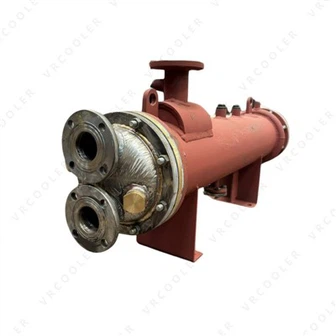
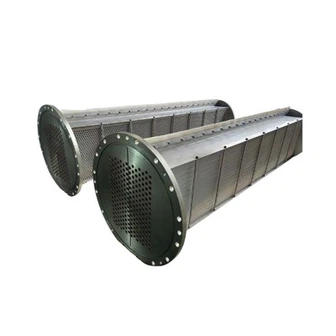
Heat exchanger type: High-temperature tubular recuperator
Integration: Direct retrofit with existing burners
- Results Achieved
Natural gas savings: ~18%
CO₂ emission reduction: Over 1,200 tons/year
Improved furnace heating stability
Payback period: Approximately 10 months
The system has operated continuously with minimal maintenance, confirming the suitability of flue gas recovery for extrusion production lines.
Conclusion
Flue gas heat recovery for aluminum profile extrusion production lines is a proven and effective way to reduce energy consumption, operating costs, and environmental impact. By recovering waste heat from billet heating furnaces and aging ovens, extrusion plants can significantly enhance thermal efficiency while maintaining product quality and production flexibility.