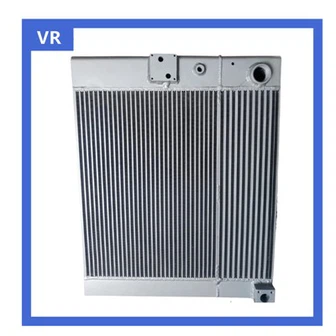
Importance Of Thrust Bearing Oil Cooling in Hydropower Plants
Hydro turbines often operate under high axial loads and variable conditions due to fluctuating water heads and load changes. Without adequate cooling, thrust bearing oil temperature can rise rapidly, leading to:
- Reduced oil viscosity and lubricating film breakdown
- Accelerated wear of thrust pads and bearing surfaces
- Increased risk of bearing wipe or seizure
- Reduced turbine availability and plant reliability
A properly designed thrust bearing oil cooler ensures stable oil temperature, consistent lubrication, and long service life of both oil and bearing components.

Key Design Considerations
When selecting a thrust bearing oil cooler for a hydro turbine, several technical factors must be evaluated:
- Heat load: Determined by bearing losses and turbine size
- Oil flow rate and viscosity: To ensure adequate cooling without excessive pressure drop
- Cooling medium temperature and quality
- Allowable oil outlet temperature: Typically maintained between 45–55 °C
- Redundancy: Duplex or standby coolers for critical units
- Standards compliance: IEC, ISO, and hydropower industry practices
Proper sizing and material selection are essential to ensure long-term reliability and minimal maintenance.
Case Study: Thrust Bearing Oil Cooler for a Large Hydro Turbine
- Project Background
A hydropower plant operating a 120 MW vertical Francis turbine experienced elevated thrust bearing oil temperatures during peak load operation, especially in summer months. The existing oil cooler had limited capacity and was approaching the end of its service life.
- Challenges
Oil temperature exceeding recommended limits under full load
Increased bearing inspection frequency
Risk of forced derating during high ambient water temperatures
- Solution Implemented
A new shell-and-tube thrust bearing oil cooler was designed and installed as a direct replacement, optimized for higher heat rejection capacity.
- Key Design Parameters
Turbine type: Vertical Francis
Cooling medium: Closed-loop fresh water
Oil inlet temperature: 65 °C
Oil outlet temperature: ≤50 °C
Tube material: Stainless steel for improved corrosion resistance
- Results Achieved
Stable thrust bearing oil temperature under all load conditions
Improved bearing reliability and extended oil change intervals
Reduced maintenance interventions
Enhanced turbine availability and operational confidence
The upgrade allowed the plant to operate continuously at rated capacity without temperature-related limitations.
Conclusion
Thrust bearing oil coolers for hydro turbines play a vital role in safeguarding turbine reliability, efficiency, and service life. By maintaining optimal oil temperature and lubrication conditions, these coolers protect one of the most heavily loaded components in a hydropower unit.