Efficient Application Of Yanbach Generator Heat Recovery Technology in Biogas Scenarios
1, The core value of biogas heat recovery
Biogas is produced by anaerobic fermentation, with large fluctuations in composition and high impurities. Traditional power generation only utilizes 40% -47% of energy, and a large amount of waste heat is directly discharged. The Yanbach CHP cogeneration system achieves dual supply of one machine and turns waste into treasure by recovering waste heat through a cascade system
Doubling energy efficiency: The comprehensive energy efficiency has increased from around 45% of pure power generation to 85-92%, maximizing fuel utilization efficiency.
Reduce costs and carbon emissions: Replace purchased electricity and boiler heating, saving energy costs by over 30% annually and reducing CO ₂ emissions by 30-40%.
Process Empowerment: Stable heat source ensures constant temperature operation of anaerobic fermentation, increasing biogas production by 15% -25%.
Compliant and reliable: Suitable for low concentration biogas, resistant to impurities, capable of continuous operation for 8000 hours, meeting environmental emission requirements.
2, Principles of Yanbach Biogas Heat Recovery Technology
Yanbach unit optimizes the characteristics of biogas, recovers three types of core waste heat, and achieves full temperature utilization:
Cylinder liner water waste heat: 90-115 ℃ high-temperature cooling water, accounting for 40% -50% of the total waste heat, used for constant temperature, heating, and domestic hot water in fermentation tanks.
Waste heat from flue gas: High temperature exhaust gas at 450-550 ℃, accounting for 30% -40% of the total waste heat, is used to produce steam/high-temperature hot water through a waste heat boiler to meet process heating requirements.
Auxiliary waste heat: Low temperature waste heat from lubricating oil and intercooled water, used for preheating biogas, replenishing water, and further improving system efficiency.
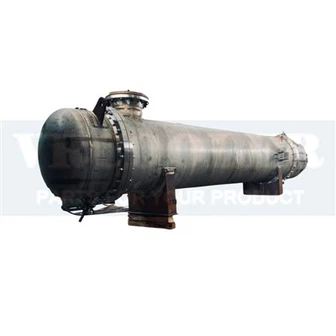
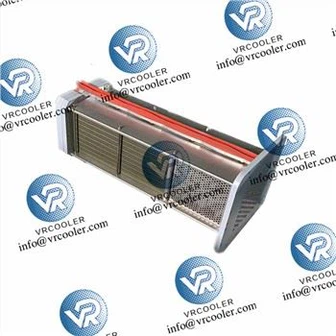
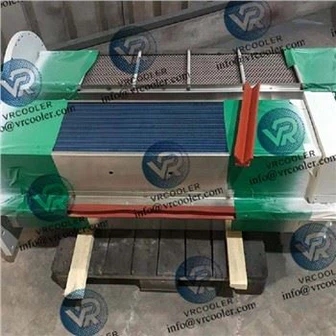
By using plate heat exchangers, waste heat boilers, and intelligent temperature control, waste heat is converted into hot water, steam, and hot air, accurately matching the heat demand of biogas projects.

3, Typical scenario application plan
1. Livestock and poultry breeding biogas project (pasture/large-scale breeding)
Core requirements: Fermentation tank * * 35-38 ℃ * * constant temperature, on-site heating, domestic hot water.
Application mode: Direct supply of waste heat to fermentation tanks, replacing biogas boilers, reducing biogas consumption, and increasing power generation.
Benefit: Comprehensive energy efficiency of 88%+, annual savings of 20% in biogas, achieving the cycle of "manure → biogas → electricity+heat → aquaculture".
2. Kitchen and kitchen waste disposal project
Core requirements: anaerobic fermentation constant temperature, sludge heating, plant process heat.
Typical configuration: Yanbach J420/JGS320 unit+flue gas waste heat boiler+cylinder liner water heat exchange station.
Case: Beijing and Hefei kitchen waste projects, with two 1.5MW units providing full production of waste heat, self-sufficient, and zero external heating energy.
3. Utilization of biogas in sewage treatment plants
Core requirements: constant temperature digestion tank, heating in the factory area, and sludge drying.
Technical highlights: Resistant to low methane and high humidity characteristics of sewage biogas, residual heat ensures stable operation of digestion tanks, and reduces treatment costs.
4. Expansion of Combined Cooling, Heating, and Power (CCHP)
Use waste heat to drive absorption refrigeration in summer for air conditioning in office areas/workshops; Winter heating, year-round power supply, suitable for hospitals, parks, and data centers.
The Yanbach generator heat recovery technology has connected the resource chain of organic waste → biogas → electricity+heat, turning biogas from an "environmentally friendly byproduct" into a "high-value energy". In breeding, environmental protection, municipal, and industrial scenarios, this technology, with high energy efficiency, high reliability, and low carbon emissions, has become the core support for reducing costs, increasing efficiency, and meeting compliance standards in biogas projects, helping to promote green and low-carbon transformation.
In the future, with the intensification of policies on distributed energy and biomass energy, the Yanbach biogas heat recovery scheme will continue to empower the circular economy and promote the efficient utilization of clean energy.