Centrifugal Air Compressor Heat Recovery Waste Heat To Cooling Energy
1, Centrifugal air compressor waste heat refrigeration: principle and core logic
Centrifugal air compressors are mostly three-stage compressors, with first/second stage exhaust temperatures reaching 100-120 ℃, and inter stage and main engine cooling water temperatures ranging from 45-65 ℃. They are high-quality low-temperature waste heat. The core of waste heat refrigeration is * * "heat recovery → thermal energy drive → refrigeration output" * *:
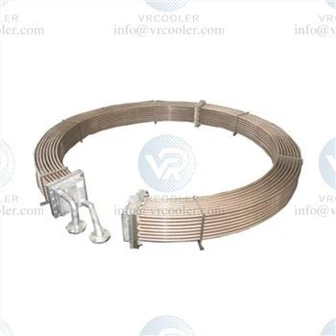
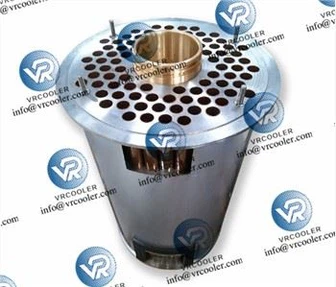
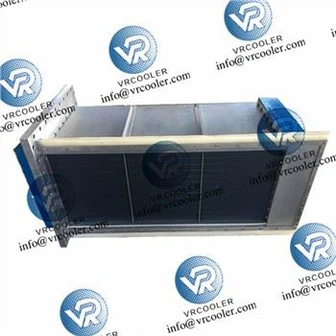
Waste heat extraction: By using shell and tube/plate heat exchangers, the heat from compressed air and cooling water is recovered to produce high-temperature hot water at 60-85 ℃;
Thermal energy drive: driven by high-temperature hot water to drive lithium bromide absorption refrigeration unit;
Refrigeration output: The refrigeration machine produces * * 5-12 ℃ * * chilled water, which is directly supplied to the production process or air conditioning system.
2, System composition: safe, stable, and non disruptive to production
The waste heat refrigeration system consists of four modules, which operate in parallel with the original system of the air compressor and come with a bypass, without affecting the safety of the host and the stability of the gas supply:
Waste heat recovery unit: gas water/water water heat exchanger, cascade recovery of heat from high-temperature exhaust and low-temperature cooling water;
Thermal storage buffer unit: Insulated water tank and circulating pump to stabilize heat fluctuations and ensure the stability of the refrigeration machine's heat source;
Absorption refrigeration unit: a hot water lithium bromide unit, driven by hot water above 60 ℃, with a COP of 0.7-0.8;
Intelligent control unit: PLC automatically switches between cooling/recovery/refrigeration modes, with real-time monitoring of temperature, flow rate, and energy consumption.

3, Core advantages: Energy saving, cost reduction, machine protection, carbon reduction
Significantly reduce refrigeration electricity costs
A 1000kW centrifugal air compressor can recover about 750kW of heat per hour, and drive the refrigeration machine to output about 230kW of cooling capacity, replacing electric refrigeration of the same power. It saves over 1.5 million kWh of electricity annually and reduces refrigeration costs by more than 60%.
Protect the air compressor and extend its lifespan
Waste heat recovery reduces exhaust and oil temperature, reduces cooling system load, minimizes high temperature alarms, coking, and component aging, reduces equipment failure rates by 30% -50%, and significantly lowers maintenance costs.
Fast investment return and stable returns
The system investment mainly includes heat exchangers, refrigeration units, and pipelines. The payback period for continuous operation scenarios is 6-18 months, and the equipment life is 15-20 years, with considerable long-term returns.
Green, low-carbon, compliant and up to standard
Replacing electric refrigeration and boilers, reducing thermal power consumption and carbon emissions, with an annual carbon reduction of over 1200 tons for a 1000kW unit, helping enterprises meet dual carbon and environmental protection requirements.
4.Typical application scenarios
Process cooling: cooling of electronic, electroplating, food, textile production line equipment, pure water cooling;
Factory air conditioning: summer cooling for workshops, office buildings, and control rooms to improve the working environment;
Self cooling of air compressor station: using cold water cooled by waste heat to cool the inlet of the air compressor, improving the efficiency of the unit by 5% -8%;
Composite energy supply: heating in winter and cooling in summer, achieving efficient utilization of waste heat throughout the year.
Centrifugal air compressor waste heat refrigeration is the process of turning discarded energy into profitable assets. It has become the preferred solution for energy-saving transformation in the manufacturing industry with mature technology, fast returns, and low-carbon attributes. Against the backdrop of rising energy costs and stricter dual carbon policies, using heat and cooling, and turning waste into treasure, is not only a means of cost reduction, but also a strategic choice for enterprises to undergo green transformation and enhance competitiveness.