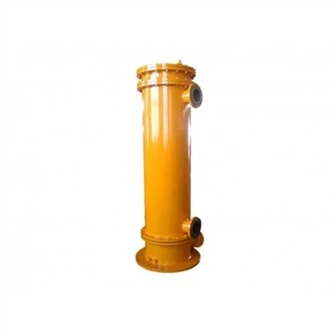
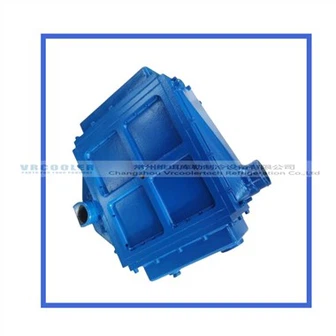
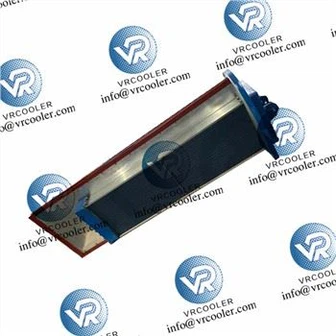
Core Role Of Oxygen Generator Heat Exchangers
Oxygen Generator heat exchangers are key components for the efficient and stable operation of oxygen production equipment. Their core functions revolve around three key dimensions: energy regulation, state control, and system safety.
1. Energy Recovery and Energy Saving, Reducing System Energy Consumption
The oxygen production process (especially cryogenic air separation) consumes significant amounts of energy (e.g., compressed air and refrigeration). Heat exchangers significantly reduce energy consumption by recycling heat and cooling capacity:
In cryogenic air separation, the main heat exchanger exchanges heat between compressed, ambient air and low-temperature oxygen, nitrogen, and contaminated nitrogen streams discharged from the distillation tower. The cold energy of the low-temperature gas cools the air (bringing it close to its liquefaction temperature) while also recovering cooling capacity (reducing the load on the refrigeration system). For example, if the cold energy of the contaminated nitrogen is not recovered, cooling energy consumption will increase by over 30%.
In PSA pressure swing adsorption (PSA), the heat generated by the compressed air is promptly removed through the cooler, preventing high temperatures from causing a decrease in molecular sieve adsorption efficiency (which would require additional energy to maintain adsorption), indirectly reducing operating costs.
2. Precisely Control Gas State to Ensure Separation Efficiency
The core of oxygen production is to separate oxygen and nitrogen through physical methods (cryogenic liquefaction separation or PSA adsorption separation). The temperature and phase change state of the gas directly affect the separation effect. Heat exchangers play a key role in controlling the gas state to match process requirements:
In cryogenic air separation:
The main heat exchanger cools the air to near liquefaction temperature (-170-180°C), laying the foundation for liquefaction separation in the subsequent distillation column;
The subcooler cools the liquid oxygen and nitrogen below their boiling point (subcooling), preventing them from vaporizing during throttling or transportation, ensuring stable output of liquid products;
The condenser-evaporator (primary cooling) drives the nitrogen-oxygen phase change cycle through heat exchange (nitrogen condenses and releases heat, then liquid oxygen absorbs heat and evaporates), directly achieving distillation separation.
In PSA oxygen production:
The cooler cools the compressed air to below 40°C (high temperatures reduce the molecular sieve's ability to adsorb nitrogen), ensuring efficient operation of the adsorption column.
3. Ensuring System Safety and Stability
Oxygen production environments present unique conditions such as low temperature, high pressure, and oxygen (which supports combustion). Heat exchangers must be designed and controlled to mitigate risks:
Anti-clogging: Cryogenic heat exchangers must prevent water and CO₂ in the air from freezing at low temperatures (which could block the channels). The pre-cleaning system and heat exchanger must be compatible to prevent impurity deposition.
Flame and explosion prevention: Heat exchanger components that come into contact with oxygen (such as the main cooler in a cryogenic system and the cooler in a PSA) must be made of inert materials such as stainless steel and have a polished surface to minimize impurity adhesion and reduce the risk of oxygen combustion.
Preventing Cooling/Heat Runaway: The cryogenic heat exchanger's sealing design (such as the plate-fin brazing process) minimizes cooling leakage (cold loss) and prevents system temperature fluctuations. Stable heat dissipation in PSA coolers prevents compression heat accumulation and overheating.