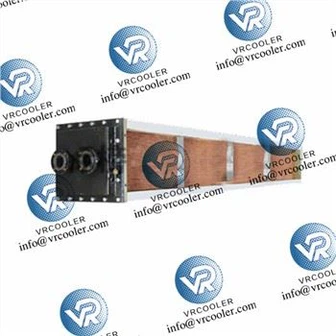
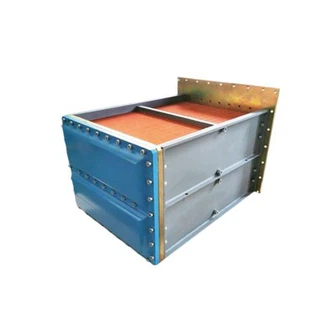
Oxygen Concentrator Heat Exchanger
The Core Role of Oxygen Generator Heat Exchangers
Energy Recovery and Energy Saving:
In cryogenic air separation, the main heat exchanger recovers cold energy from low-temperature gases (such as contaminated nitrogen) to cool ambient air. This reduces the load on refrigeration systems (such as the turboexpander) and lowers energy consumption (accounting for 30%-50% of the total energy consumption of the air separation plant).
Controlling Gas State:
Cooling air to the low temperature required for liquefaction (cryogenic process);
Preventing compression heat from affecting the adsorption performance of molecular sieves (PSA process);
Maintaining subcooling of liquid oxygen and nitrogen to prevent vaporization losses.
Ensuring System Safety:
Cryogenic heat exchangers must prevent moisture and carbon dioxide from freezing at low temperatures (which could clog the pipes). Therefore, air must be purified (by adsorption to remove water and CO₂) before entering the heat exchanger. The heat exchanger must also be designed for easy cleaning or equipped with a regeneration system.
Typical Application Scenarios
Industrial Oxygen Production (Cryogenic Air Separation): In oxygen production plants at large steel and chemical companies, the main heat exchanger and condenser-evaporator are core equipment, handling air flows exceeding tens of thousands of cubic meters per hour and achieving efficient cold recovery.
Small- to medium-sized oxygen production (PSA): In small oxygen concentrators used in hospitals and laboratories, air- or water-cooled chillers are used to cool compressed air, ensuring molecular sieve adsorption efficiency. These chillers offer a compact design and simple operation.
Liquid Oxygen/Nitrogen Production: Subcoolers are used to further cool liquid oxygen obtained through distillation to below -190°C for storage and transportation (to reduce evaporation losses).