Atmospheric Condenser in Steam Power Systems
Atmospheric Condenser in Steam Power Systems
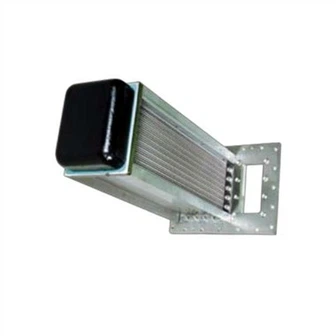
Atmosphere Condenser for Hot Well is a device for condensing steam and send the water to hot well.
This device is part of a steam condenser system, where exhaust steam from an engine or turbine is condensed back into water (condensate) and returned to the hot well-a reservoir that feeds the boiler.
How It Works:
Steam Exhaust Enters the Condenser:
After performing work (e.g., in a steam engine or turbine), low-pressure steam is directed into the condenser.
Condensation Process:
The steam is cooled (typically by air or water) and condenses back into liquid water.
In an atmospheric condenser, cooling is often passive (using ambient air) rather than forced (like in a surface or jet condenser).
Hot Well Collection:
The condensed water drains into the hot well, where it is stored before being pumped back into the boiler.
The hot well helps maintain thermal efficiency by keeping the water warm, reducing the energy needed to reheat it.
Types of Steam Condensers:
Jet Condenser (Mixing Type): Steam directly contacts cooling water (used in smaller systems).
Surface Condenser (Non-Mixing): Steam passes over tubes carrying cooling water (common in power plants).
Atmospheric Condenser: Relies on natural cooling (simpler, less efficient, used in early steam engines).
Purpose of the Hot Well:
Stores condensed water for reuse.
Helps remove air and non-condensable gases (via an air pump).
Maintains thermal efficiency by keeping water warm before re-entry into the boiler.