Application Of Heat Recovery in Combined Heat And Power Generation And Triple Supply
I. Combined Heat and Power (CHP) and Tri-generation: Core Application Scenarios of Heat Recovery
1. Combined Heat and Power (CHP): Co-production of Electricity and Heat
CHP is a highly efficient energy supply mode that generates electricity first and then uses heat: fuel combustion produces high-temperature, high-pressure steam to drive a turbine/generator to produce high-grade electricity. The medium- and low-temperature waste heat after power generation (extraction steam, cylinder liner water, flue gas) is not directly condensed and discharged, but is collected through heat recovery devices for use in urban heating, industrial process heating, and domestic hot water supply.
Traditional separate production mode: Power generation efficiency is approximately 35%–45%, with a large amount of waste heat being discharged into the air with cooling towers/flue gas;
CHP mode: Heat recovery increases the overall energy efficiency to 70%–90%, nearly doubling fuel utilization.
2. Combined Cooling, Heating, and Power (CCHP): Full Coverage of Electricity, Heating, and Cooling
CCHP adds a waste heat cooling component to the existing combined heat and power (CHP) system, achieving "one machine, three uses": High-grade heat is prioritized for power generation; medium-temperature waste heat is used for heating/steam production; low-temperature waste heat drives absorption chillers (primarily lithium bromide) for cooling.
No off-season: Provides heating in winter, cooling in summer, and hot water and electricity during transitional seasons, maximizing waste heat utilization and achieving an overall energy efficiency of over 85%.
2, Heat recovery technology: principles, pathways, and core equipment
Heat recovery follows the principle of "temperature matching and cascade utilization", and is classified and recovered according to the grade of waste heat, accurately matching energy demand.
1. High temperature waste heat recovery (above 400 ℃)
Source: Gas turbine/internal combustion engine flue gas, turbine exhaust;
Recycling method: The waste heat boiler generates steam, which can be used for power generation and industrial process steam supply;
Value: High grade waste heat is directly converted into high-value steam/electricity, enhancing system revenue.
2. Medium temperature waste heat recovery (100-300 ℃)
Source: Steam turbine extraction, engine cylinder liner water, medium temperature flue gas;
Recycling method: Heat the heating network water with a heat exchanger, preheat the boiler feedwater, and drive a dual effect lithium bromide refrigeration machine;
Value: Stable satisfaction of heating, centralized hot water, and medium-sized cooling needs, replacing traditional boilers/electric refrigeration.
3. Low temperature waste heat recovery (below 100 ℃)
Source: condensation heat of flue gas, heat dissipation of cooling tower, return water of heating network;
Recycling methods: absorption heat pump, fluoroplastic steel heat exchanger, condensing waste heat recovery device;
Breakthrough: Reduce exhaust temperature from 120 ℃ to below 30 ℃, recover latent heat of vaporization, and increase heating capacity by 20% -50%.
Core heat recovery equipment
Waste heat boiler: recovers flue gas to produce steam, suitable for gas/steam turbines;
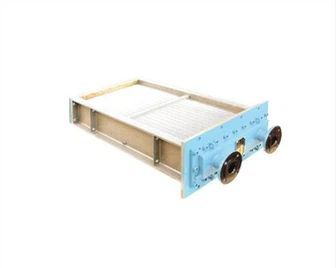
Flue gas/water heat exchanger: low-temperature flue gas, cylinder liner water waste heat recovery, corrosion resistance, and dust accumulation resistance;
Absorption refrigeration machine: powered by waste heat and supplied with zero power consumption for cooling;
Absorption heat pump: raising the temperature of low-grade waste heat to achieve "waste heat to usable heat";
Intelligent control system: load forecasting, dynamic allocation of cold, hot, and electric heating to maintain optimal energy efficiency.
3, The triple value brought by heat recovery: energy efficiency, economy, and environmental protection
1. Energy efficiency leap: from "waste" to "exhaustion"
Traditional power generation: about 60% of heat is lost; Comprehensive energy efficiency after heat recovery * * ≥ 80% * *;
Triple supply: waste heat refrigeration replaces electric refrigeration, reducing refrigeration power consumption by more than 40%;
Deep waste heat recovery: full recovery of exhaust waste heat and condensation heat, increasing energy utilization efficiency by 10% -15%.
2. Economic cost reduction: Shorten cost recovery and continuously increase efficiency
Reduce fuel costs by 30% -50% and decrease the installed capacity of boilers and refrigeration units;
Distributed nearby energy supply to reduce transmission and distribution/heating network losses;
Commercial/public construction projects: recoup renovation investment within 3-6 years, saving tens to millions of yuan in energy consumption costs annually.
3. Low carbon and environmental protection: achieving dual standards of carbon reduction and pollution reduction
Under the same energy supply, CO ₂ emissions can be reduced by 40% -60%;
Reduce the installation of decentralized boilers and electric refrigeration units, resulting in a significant decrease in NO ₓ, SO ₂, and dust emissions;
Simultaneous recovery of waste heat from flue gas condensation achieves whitening and dust removal, improving environmental appearance.

4, Typical application scenarios and practical cases
1. Industrial park: industrial waste heat+cogeneration
Mode: Gas turbine/internal combustion engine power generation → Waste heat boiler to produce process steam → Low temperature waste heat heating/cooling;
Effect: Comprehensive energy efficiency * * ≥ 85% * *, replacing self owned boilers, saving thousands of tons of standard coal annually.
2. Large public buildings (commercial complexes/hospitals/airports)
Case: Chengdu Wanda Plaza and a tertiary hospital adopt a gas internal combustion engine+lithium bromide waste heat unit;
Effect: Prioritize the use of waste heat for cooling/heating, and supplement energy when insufficient; Annual savings of nearly 3000 tons of standard coal and over 12000 tons of CO ₂ emissions reduction.
3. Regional energy stations: city level centralized energy supply
Mode: Gas combined cycle+flue gas deep heat recovery+absorption heat pump;
Effect: Covering hundreds of thousands of square meters of cooling, heating and power demand, with a waste heat utilization rate of over 90%, becoming a benchmark for low-carbon energy in cities.
4. Flexibility transformation of power plants: thermal electric decoupling
Technology: Steam turbine exhaust/flue gas waste heat+large absorption heat pump;
Value: Maintaining heat supply while reducing power generation, improving peak shaving capacity by 10% -20%, and breaking the constraint of "heat determines electricity".
5, Technological Trends and Development Directions
Deep utilization of waste heat: low-temperature waste heat power generation (ORC), ultra-low temperature flue gas condensation recovery, achieving "eating dry and squeezing out";
Multi energy complementary integration: heat recovery+photovoltaic/energy storage/biomass coupling, building a zero carbon comprehensive energy system;
Intelligent regulation: digital twin, load forecasting, AI optimized operation, maintaining the highest energy efficiency under all operating conditions;
Equipment miniaturization: Micro turbines, modular heat recovery units, suitable for small and medium-sized buildings and distributed scenarios.