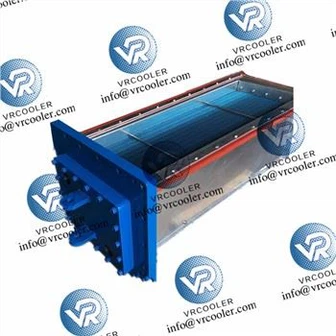
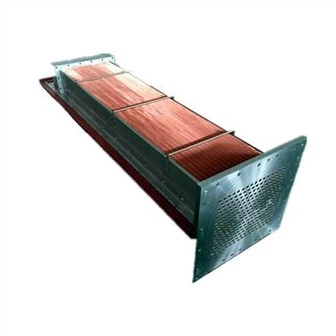
Air Compressor Waste Heat Recovery Systems in The Chemical And Petrochemical Industries
air compressor waste heat recovery systems in the chemical and petrochemical industries
Within the chemical and petrochemical sectors, air compressor waste heat recovery systems can precisely align with production processes that have stable low-temperature heat requirements and match the operational cycles of air compressors. The core applications focus on three key scenarios: process auxiliary heating, utility support, and equipment protection. Specific implementation areas are outlined below.
1. Process Auxiliary Heating (Core Application)
These processes require low-temperature heat sources (typically 30-80°C) for production support, eliminating the need for high-temperature steam. This aligns perfectly with the temperature range of air compressor waste heat (often 50-90°C), enabling direct replacement of traditional steam or electric heating to reduce process energy consumption.
Raw Material Preheating
Application Scenario: Temperature maintenance or low-temperature preheating of liquid raw materials (e.g., alcohols, solvents, liquid catalysts). In certain chemical processes, raw materials must be maintained at specific temperatures (e.g., 35-55°C) to ensure reaction efficiency. In such cases, waste heat can be utilized to heat the trace heating coils of raw material storage tanks or preheat the medium in raw material transfer pipelines via heat exchangers.
Advantages: Avoids localized overheating caused by steam heating and eliminates combustion emissions, meeting environmental requirements in the chemical industry.
Process Water / Solvent Heating
Applicable Scenarios: Cleaning water in production processes (e.g., equipment interior washing, filter backwashing water), low-temperature heating in solvent recovery systems (e.g., preheating low-boiling-point solvents before distillation). For instance, in petroleum refining, crude oil desulfurization requires 40-60°C hot water to assist reactions; this water can be directly heated using compressor waste heat.
Note: Select corrosion-resistant heat exchangers (e.g., stainless steel 316L, titanium alloy) based on water quality or solvent properties to prevent media corrosion of equipment.

2. Utility and Logistics Support Systems
These systems provide daily operational support for the plant, featuring stable and continuous heat demand. They can fully utilize the continuous waste heat from air compressors, replacing traditional energy consumption.
Circulating Water / Domestic Hot Water Heating
Applicable Scenarios: Domestic hot water for plant employees (bathrooms, cafeteria use), workshop floor cleaning, or routine equipment washing. Chemical parks with large employee populations have stable domestic hot water demand, which can be fully covered by compressor waste heat, replacing electric water heaters or gas boilers.
Safety Requirements: When heating domestic water, use double-tube-sheet heat exchangers or indirect heat transfer designs to prevent cross-contamination between process media and domestic water.
Plant Heating and Ventilation
Applicable Scenarios: Winter heating for workshops, control rooms, and laboratories, plus preheating of fresh air for enclosed workshops (preventing condensation on equipment or moisture absorption in materials from cold air ingress). For instance, chemical control rooms requiring constant temperatures of 18-25°C can utilize waste heat to warm heating circulation water, reducing electric heater energy consumption.
3. Equipment and Pipeline Protection
Equipment and pipelines in outdoor or low-temperature environments within the chemical industry require freeze protection or insulation. Air compressor waste heat provides a low-power protection heat source, preventing equipment failure.
Outdoor Pipeline Heat Tracing
Application: Winter freeze protection for outdoor process pipelines (e.g., water lines, solvent transfer lines), valves, and instruments. Traditional electric heating cables consume high energy and pose electrical leakage risks. Utilizing compressor waste heat via heating cables or coils maintains pipeline temperatures between 5-15°C, preventing media freezing and blockages.
Tank Insulation
Applicable Scenarios: Tanks storing easily solidifying media (e.g., paraffin, heavy oil, high-viscosity resins) require maintaining internal temperatures between 20-40°C to ensure fluidity. Installing waste heat heat exchanger coils on the tank exterior replaces electric heating rods or steam tracing, reducing insulation energy consumption while preventing local overheating that could degrade the media.