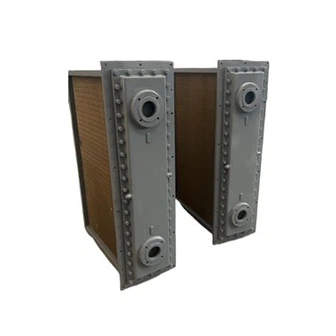
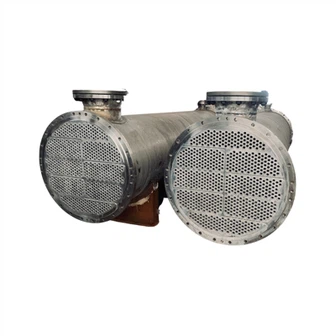
Wind Turbine Cooler Assembly
Wind Turbine Cooler Assembly
The wind turbine cooler is a critical auxiliary device ensuring the stable operation of the turbine's core components-such as generators, converters, and gearboxes-under complex outdoor conditions. Deployed in environments like plateaus, coastal areas, and deserts, these turbines endure extreme conditions including low temperatures, high winds, high humidity, salt spray, and dust. Core components like converters and gearboxes generate significant heat during energy conversion (typically 3%-8% energy loss). heat accumulation can cause insulation degradation, efficiency loss, or even component burnout. Therefore, coolers must possess three core characteristics: high environmental adaptability, high reliability, and low maintenance requirements.

To withstand the complex wind power environment, cooler design must be enhanced across four dimensions: protection, resilience, energy efficiency, and intelligent monitoring:
1. High-Grade Protection and Corrosion Resistance Design
Housing and Component Protection: Heat exchanger housings utilize 304/316L stainless steel (for coastal salt fog zones) or cold-rolled steel plates with fluorocarbon coating (for inland areas), achieving IP54/IP55 protection ratings (dustproof and splashproof). Wind turbine motors employ waterproof bearings to prevent rainwater ingress.
Anti-clogging design: Air-cooled systems employ "multi-layer composite filter media" (e.g., primary nylon mesh + secondary glass fiber cotton) with 5μm filtration precision. Equipped with "differential pressure alarm" functionality (triggered when filters clog), extending cleaning cycles to 3-6 months.
2. Extreme Temperature and Humidity Resistance
Low-Temperature Adaptability: Liquid-cooled systems utilize an "ethylene glycol-water mixture" (40%-60% concentration) with a freezing point of -35°C to -50°C. An electric heater (500-1500W) automatically activates when ambient temperatures drop below 5°C to prevent pipe freezing and cracking.
High-Temperature Stability: Air-cooled systems employ "high-temperature weatherproof motors" (temperature resistance ≤120°C), while liquid-cooled systems utilize "high-temperature seals" (temperature resistance ≤100°C) in circulation pumps. This ensures reliable operation even under summer ambient temperatures of 45°C.
3. Low Energy Consumption & Energy Optimization
Variable Frequency Control: Both air-cooled fans and liquid-cooled circulation pumps are equipped with variable frequency modules that automatically adjust speed based on component temperature (e.g., fan speed reduces to 50% when converter temperature ≤60°C), achieving 30%-50% energy savings compared to fixed-frequency designs.
Natural Air-Cooling Assistance: A "air guide hood" is designed on the top of the machine cabin to utilize outdoor natural wind (when wind speed ≥3m/s) to assist the air cooling system in dissipating heat, reducing fan startup frequency.
4. Intelligent Monitoring and Fault Early Warning
Multi-parameter Monitoring: The cooling system integrates temperature sensors (monitoring component temperature and medium temperature), pressure sensors (monitoring liquid cooling pipeline pressure), and flow sensors (monitoring coolant flow rate). Data is uploaded in real-time to the fan's main control system.
Fault Self-Diagnosis: Upon detecting faults such as "coolant leakage," "fan stall," or "filter clogging," the system triggers a three-tier warning (alert → load reduction → shutdown) while recording fault codes to facilitate troubleshooting by maintenance personnel.