Why Hydrogen Is Used As A Cooling Medium In Generator?
Why Hydrogen is Used As a Cooling Medium In Generator:
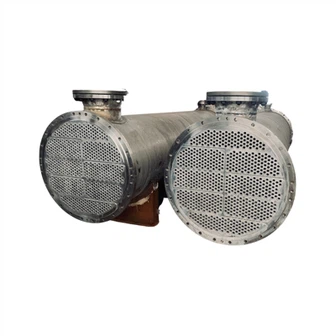
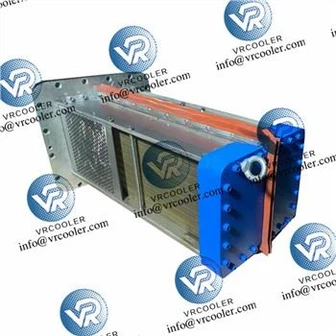
Hydrogen air coolers are devices used in power plants, particularly in electric power generation stations, to cool electric generators. Hydrogen gas is an excellent cooling medium because it has high thermal conductivity and low density, which allows for efficient heat transfer and reduced windage losses.
High Thermal Conductivity: Hydrogen has a very high thermal conductivity, meaning it can efficiently transfer heat away from the generator windings.
Low Density: Hydrogen is much less dense than air, so it reduces windage losses (the power needed to move the air within the generator) and allows the generator to operate more efficiently.
Chemical Inertness: Hydrogen is chemically inert, which means it does not react with the materials used in the generator, ensuring the longevity and integrity of the generator components.
Low Heat Capacity: Hydrogen has a low specific heat capacity, meaning it heats up and cools down quickly. This property allows for rapid response to changes in the generator's load.
Hydrogen cooling systems are commonly used in large power generators, especially in power plants where high efficiency and reliability are essential. These systems are carefully designed and monitored to ensure the safe and efficient operation of the generators. Safety measures are in place to prevent hydrogen leakage and to mitigate the risks associated with hydrogen, which is a flammable gas.