Hydrogen Air Coolers
Hydrogen Air Coolers
Hydrogen air coolers are devices used in power plants, particularly in electric power generation stations, to cool electric generators. Hydrogen gas is an excellent cooling medium because it has high thermal conductivity and low density, which allows for efficient heat transfer and reduced windage losses.
Here's How Hydrogen Air Coolers Work:
Cooling the Generator: Inside an electric generator, electricity is generated by rotating a coil within a magnetic field. This process generates heat due to resistance in the conductors and friction in the moving parts.
Hydrogen Filling: The generator is filled with high-purity hydrogen gas. The hydrogen gas flows around the windings of the generator, absorbing the heat generated during the electricity generation process.
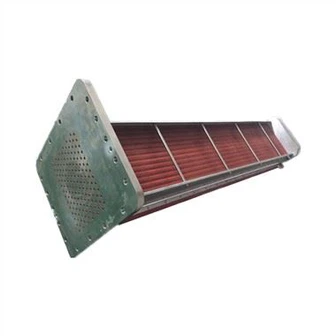
Cooling System: Hydrogen air coolers consist of a series of tubes or passages through which hydrogen gas flows. These tubes are often equipped with fins to increase the surface area for better heat dissipation. Cool air is blown or drawn through these passages, removing heat from the hydrogen gas.
Heat Exchange: As the cool air passes over the hydrogen-filled tubes, it absorbs the heat from the hydrogen gas, causing the hydrogen to cool down significantly.
Efficient Heat Transfer: Hydrogen, being a light and highly conductive gas, efficiently transfers the heat to the cooling air, and the heat is eventually released into the atmosphere.