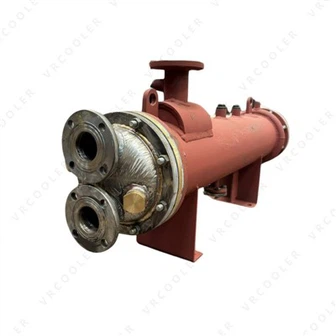
Why Do Marine Transformers Need A Dedicated Oil Air Cooler?
Marine transformers operate in harsh and continuously varying conditions, making effective cooling essential. A dedicated oil air cooler is needed for several key reasons:

1. High Ambient Temperatures in Engine Rooms
Engine rooms often reach 45–55°C due to engines, generators, and exhaust systems.
Without forced cooling, transformer oil would quickly overheat, reducing transformer capacity and accelerating insulation aging.
2. Continuous Heavy-Duty Electrical Loads
Onboard power systems run 24/7, especially for propulsion, navigation, pumps, and auxiliary systems.
Unlike land systems that may have off-peak periods, marine transformers experience constant load, requiring reliable, consistent cooling.
3. Protection of Insulation and Transformer Life
Transformer oil controls both:
- Heat removal
- Electrical insulation strength
High temperatures cause:
Oil breakdown
Lower dielectric strength
Accelerated insulation degradation
A dedicated cooler maintains stable oil temperature and extends transformer life.
4. Harsh Marine Environment (Salt, Humidity, Vibration)
Marine transformers face:
Salt-laden, corrosive air
High humidity
Strong vibrations from engines and propellers
These conditions make natural or passive cooling unreliable.
A marine-rated oil air cooler ensures stable performance even under rough sea conditions.
5. Space Constraints Require High-Density Cooling
Ships have very limited installation space.
A compact, high-efficiency forced-air oil cooler provides necessary heat dissipation in a small footprint.
6. Safety and Operational Reliability
Overheated transformers can cause:
Protection trips
Loss of power to vital ship systems
Fire risks
A dedicated cooler ensures the transformer operates within safe temperature limits at all times.
7. Compliance with Marine Classification Standards
Marine class societies (ABS, DNV, LR, BV) require compliant cooling systems for onboard transformers.
A dedicated oil cooler helps meet thermal and safety standards.