Why Are Dry Coolers Suitable For Biomass Power Generation?
Why Are Dry Coolers Suitable for Biomass Power Generation?
Water Conservation: Most biomass projects are located in rural or water-scarce areas.
No Drift Water, No White Mist: Makes it easier to obtain environmental approvals.
Modularity: Biomass power plants typically range from 3 to 60 MW; dry coolers can be designed as small modules, offering high adaptability.
Corrosion Resistance: Biomass fuels contain high levels of sulfur, chlorine, and dust; dry cooler tube bundles can be designed with corrosion-resistant features.
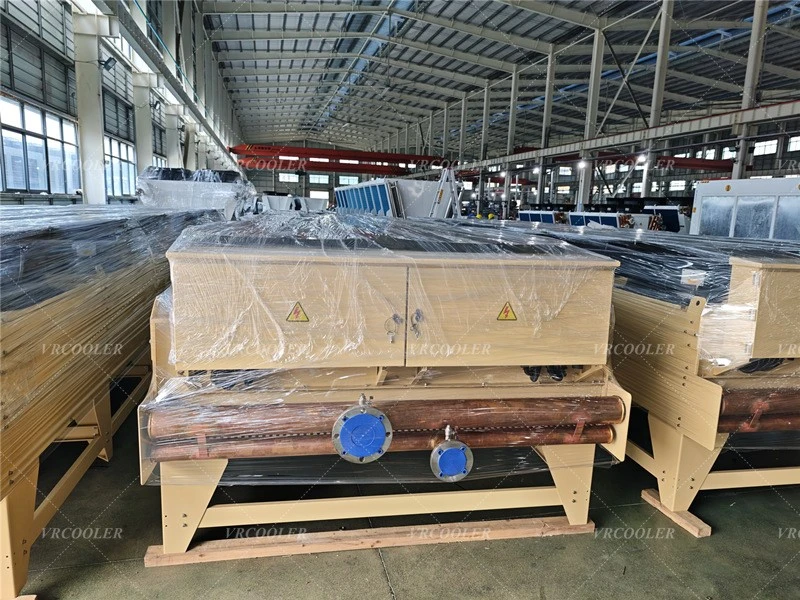
The core principle of dry coolers (air-cooled condensers / Dry Cooling Systems / ACC) used in biomass power generation can be summarized in one sentence:
They use ambient air at natural temperatures to directly cool the steam discharged from the steam turbine into water, while simultaneously creating a vacuum at the turbine's outlet to enable continuous power generation.
I. Overall Process (From Steam to Water)
Steam Inlet
Low-pressure exhaust steam (temperature approximately 40–60°C) from the steam turbine enters the finned tube bundle of the dry cooler via the exhaust steam pipeline.
Air Cooling
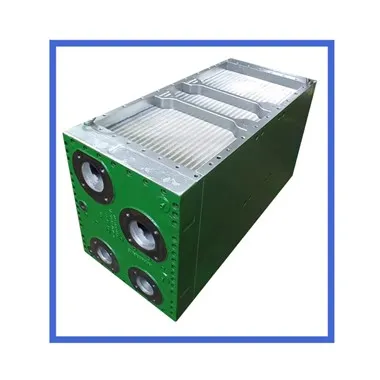
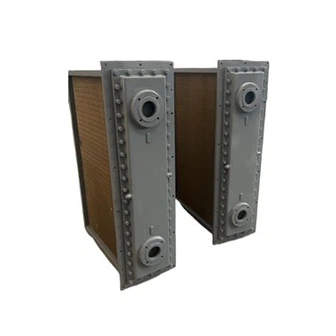
Numerous aluminum fins on the exterior of the tube bundle increase the heat dissipation area. Large axial fans at the top and sides forcefully draw air, causing outside cool air to flow rapidly over the fins.
Heat Exchange
Heat from the steam is transferred through the tube walls → to the fins → and carried away by the flowing air, then discharged into the atmosphere.
The entire process requires no water spraying or cooling towers, hence the term "dry cooling."
Steam to Water
After being cooled inside the tube bundle, the steam condenses into condensate, which flows by gravity into the condensate tank or heat well below.
Vacuum Formation (Key)
As the steam condenses into water, its volume shrinks dramatically, creating a high vacuum between the tube bundle and the turbine exhaust port.
The higher the vacuum, the greater the turbine's efficiency and the higher the power output.
Water Recirculation
The condensate is pumped back to the boiler by the condensate pump, reheated into steam, and completes the closed-loop cycle.