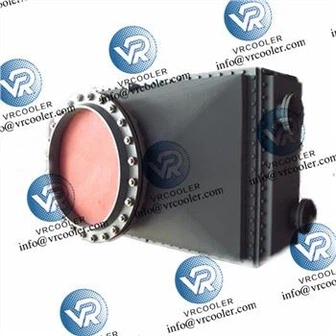
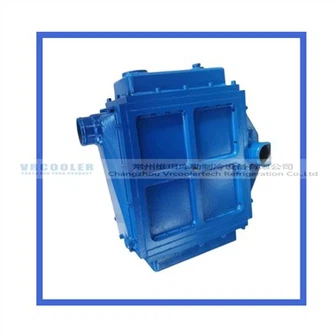
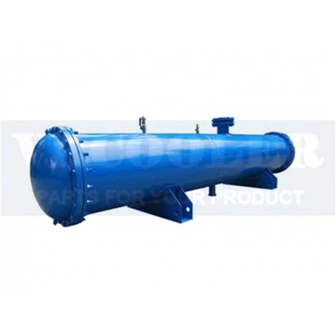
High- And Low-Temperature Dry Coolers For Waste-To-Energy Power Generation
High- and low-temperature dry coolers for waste-to-energy power generation (commonly referred to as high- and low-temperature air coolers, high- and low-temperature flue gas coolers, or cascade dry cooling systems) are cooling and waste heat recovery devices designed for the specific operating conditions of waste incineration flue gas-which is characterized by high temperature, high corrosion, high dust content, and the need for dioxin control. These systems utilize two stages (high-temperature stage + low-temperature stage) of indirect heat exchange with air and operate entirely without water evaporation.
I. Core Definitions and Applications
High-Temperature Dry Cooler (High-Temperature Section)
Cooling Object: High-temperature flue gas (500–850°C) at the boiler outlet
Purpose: Rapid cooling, recovery of high-temperature waste heat, prevention of high-temperature corrosion, and suppression of dioxins
Outlet Temperature: 350–450°C (entering the low-temperature section or SCR denitrification)
Low-Temperature Dry Cooler (Low-Temperature Section)
Cooling Object: Medium-temperature flue gas (350–450°C)
Purpose: Further cooling, recovery of low-temperature waste heat, and protection of downstream baghouse/desulfurization equipment
Exit Temperature: 180–220°C (meets baghouse inlet temperature requirements)
"Dry": Entirely air-cooled; no water spraying, no evaporation, and no wastewater