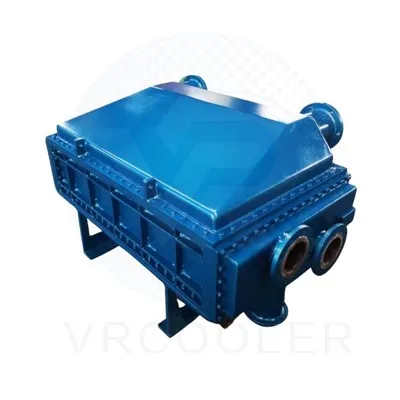
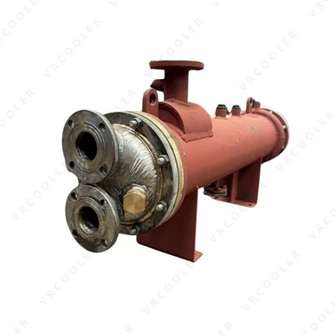
Where Is Box Cooler Installation Located?
A box cooler (also known as a "sea chest cooler" or "hull-mounted cooler") installed in a vessel's sea chest is a specialized heat exchange system designed to cool critical marine equipment using seawater as the cooling medium. Its integration with the sea chest- a recessed compartment in the vessel's hull that draws in and filters seawater-makes it a compact, efficient, and space-saving solution for marine cooling needs.
Box coolers are critical for maintaining the performance and safety of marine systems that generate heat during operation. Common applications include:
Main & Auxiliary Engines: Cools engine jackets (to prevent overheating) and lubricating oil (to maintain viscosity and reduce wear).
Generators: Cools diesel or gas generators that power the vessel's electrical systems (e.g., lighting, navigation, pumps).
Hydraulic Systems: Cools hydraulic oil used in cranes, winches, steering systems, or cargo handling equipment (high temperatures degrade oil and damage seals).
Refrigeration & Air Conditioning: Cools the condenser side of marine AC or refrigeration units (used for crew quarters, food storage, or cargo holds).
Compressors: Cools air or gas compressors (e.g., for pneumatic tools, air brakes, or inert gas systems).
Installing a box cooler in the sea chest offers unique benefits compared to other marine cooling solutions (e.g., shell-and-tube heat exchangers, keel coolers):
a. Space Efficiency
The sea chest is a pre-existing hull feature-integrating the cooler inside it eliminates the need for dedicated deck or engine room space. This is critical for small to medium vessels (e.g., fishing boats, tugboats, or yachts) where space is at a premium.
No external protrusions (unlike keel coolers, which extend below the hull), reducing drag and minimizing the risk of damage from grounding or debris.
b. High Cooling Efficiency
Seawater is a highly effective cooling medium (higher thermal conductivity than air or freshwater). The box cooler's compact design (often with finned tubes) maximizes the surface area for heat transfer, ensuring rapid cooling even for high-heat loads.
Proximity to the seawater intake (via the sea chest) minimizes pressure drops in the seawater circuit, reducing the energy needed for pumps.
c. Low Maintenance & Durability
The sea chest's built-in filters/screens protect the cooler from debris, reducing clogging and extending the lifespan of tubes/coils.
Unlike external coolers (e.g., tube bundles), the box cooler is shielded by the hull, reducing exposure to corrosion from saltwater spray, UV rays, or physical impact (e.g., from waves or floating objects).
Materials like titanium, cupronickel, or 316L stainless steel are used for the cooler core, ensuring resistance to seawater corrosion (a major issue in marine environments).
d. Cost-Effectiveness
Eliminates the need for complex piping or external pump systems (common with remote heat exchangers), reducing installation costs.
Lower energy consumption (due to efficient heat transfer and minimal pump work) and reduced maintenance needs translate to long-term cost savings.