What Materials Are Commonly Used in Tube Bundle Heat Exchangers?
What Materials are Commonly Used in Tube Bundle Heat Exchangers?
Tube bundles are an important part of a heat exchanger. A tube bundle heat exchanger is a heat exchanger in which heat transfer occurs through the tube bundle structure.
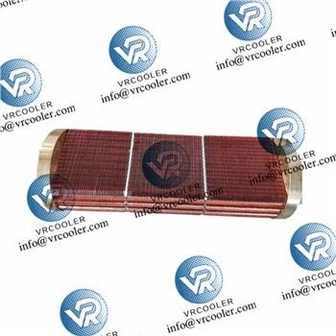
In a tube bundle heat exchanger, heat transfer usually occurs between the inside and outside of the tubes. A tube bundle consists of a series of tubes arranged in parallel, which are usually made of metals such as copper, stainless steel or titanium. The hot media flows through the inside of the tubes, while the fluid to be heated or cooled flows through the outside of the tube bundle.
The common tube bundle materials used in tube bundle heat exchangers depend largely on the needs of the application and the operating conditions. The following are some common tube bundle materials:
Copper: Copper is an excellent thermal conductive material with good heat transfer properties and corrosion resistance. It is commonly used in low and medium temperature applications such as air conditioning systems, chillers and some chemical processes.
Stainless Steel: Stainless steel has excellent corrosion resistance, especially for acidic and alkaline environments. It is commonly used in high temperature and high pressure applications such as petrochemical, food processing and nuclear power plants.
Titanium: Titanium has excellent corrosion resistance and is resistant to seawater and many chemical media. It is commonly used in seawater desalination, chemical industry and marine engineering and other fields.
Brass: Brass is an alloy of copper and zinc with good thermal conductivity and mechanical properties. It is commonly used in low and medium temperature applications such as heating systems, sanitary water heaters and steam heaters.
Nickel Alloys (Nickel Alloys): Nickel alloys have good corrosion resistance and high-temperature strength and are suitable for applications in high-temperature and corrosive environments, such as chemical, petroleum and oil refining.
In addition to the above materials, there are other special materials, such as molybdenum, aluminium, steel and plastics, which can also be used in tube bundle heat exchangers according to specific needs. When selecting tube bundle materials, factors such as the corrosiveness of the medium, temperature range, pressure requirements and economy need to be considered.