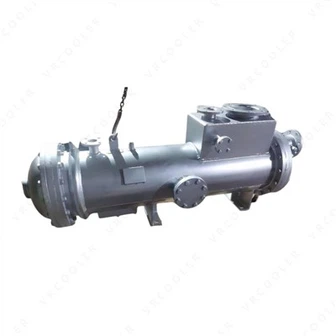
What Kind Of Genset Needs A Heat Recovery System?
What Kind of Genset Needs a Heat Recovery System?
1. Gas generator sets (natural gas, biogas, liquefied gas, etc.)
Core reason: the combustion efficiency of gas-fired units is high (usually 35%-45%), but still 40%-50% of the energy is wasted in the form of "exhaust waste heat" (exhaust temperature 400-650℃) and "cylinder liner water/lube oil cooling However, 40-50% of the energy is still wasted in the form of "exhaust waste heat" (exhaust temperature 400-650°C) and "cylinder liner water/lube oil cooling" (temperature 80-120°C), which are of high quality (medium to high temperature) and can be directly recycled.
Typical scenarios:
Natural gas distributed energy station (e.g. industrial parks, commercial complexes): Recovered exhaust waste heat is used to generate steam, hot water (for production heat, building heating/cooling), and cylinder liner water waste heat can be used for domestic hot water, realizing "electricity + heat" combined supply (CHP, cogeneration), with the comprehensive energy efficiency upgraded to more than 80%. The comprehensive energy efficiency is increased to more than 80%.
Biogas generator set (farm, sewage treatment plant): biogas itself is a "waste resource product", the recovered waste heat can be used to heat the biogas fermenter (to maintain the optimal fermentation temperature of 35-55℃), forming the cycle of "biogas production → power generation → waste heat heating of biogas The cycle of "biogas production→power generation→waste heat heating biogas" is formed, which reduces external energy consumption.
2. Diesel generator sets (high load, long time operation scenarios)
Core reason: diesel generator sets have higher exhaust temperature (500-750℃), but the economy of waste heat recovery is low in regular low load (e.g., standby units) operation; the recovery value is highlighted only when the total amount of waste heat is sufficient in continuous high load operation (e.g., mines, remote oilfields, and main power supply in data centers).
Typical scenarios:
Mining / oilfield power stations: 24-hour continuous operation of diesel units, recovery of exhaust waste heat to drive absorption chillers (for downhole / plant cooling), or heating mine water (for production / domestic use), to reduce diesel consumption while reducing the energy consumption of additional cooling / heating equipment.
Marine diesel engine sets: the main diesel generators of some large cargo ships/special ships can recover exhaust waste heat for heating fuel oil (to prevent low temperature condensation), generating low-pressure steam (for ship heating/gallery heat), and optimizing the ship energy system.