What Is The Use Of Shell And Tube Heat Exchangers?
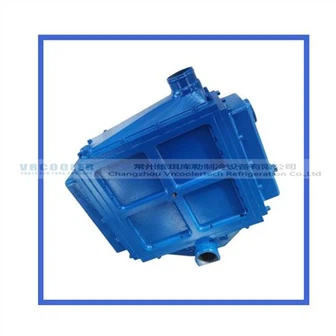
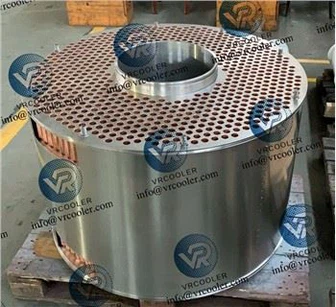
Shell and tube heat exchangers are widely used in various industries for heat transfer between two fluids. They consist of a shell (a large outer vessel) and multiple tubes housed within the shell. The fluids flow through the shell side and tube side, allowing heat to be exchanged between them.

Here are some common uses of shell and tube heat exchangers:
HVAC Systems: Shell and tube heat exchangers are commonly used in heating, ventilation, and air conditioning (HVAC) systems. They transfer heat between the hot refrigerant and a cooling medium, such as water or air, to provide heating or cooling in buildings.
Power Generation: In power plants, shell and tube heat exchangers are used for various applications. They are used in steam condensers to condense exhaust steam back into water for reuse in the boiler. They are also used in feedwater heaters to preheat the water before it enters the boiler, improving the overall efficiency of the power generation process.
Oil Refineries: Shell and tube heat exchangers play a crucial role in oil refineries. They are used in processes such as crude oil distillation, where they transfer heat between hot crude oil and various fractions to separate them based on their boiling points. They are also used in cooling processes, such as cooling hot process fluids or condensing vaporized hydrocarbons.
Chemical and Petrochemical Industries: Shell and tube heat exchangers are extensively used in chemical and petrochemical plants for various heat transfer applications. They are used for heating, cooling, condensing, and evaporating fluids in processes involving chemical reactions, distillation, refining, and product cooling.
Refrigeration and Air Conditioning: Shell and tube heat exchangers are employed in refrigeration and air conditioning systems. They transfer heat between the refrigerant and a cooling medium, such as water or air, to achieve the desired cooling effect.
Food and Beverage Industry: Shell and tube heat exchangers are used in food and beverage processing for applications such as pasteurization, sterilization, and cooling of liquids, sauces, and syrups.
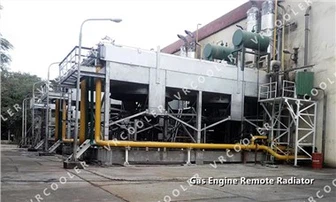
Industrial Processes: Shell and tube heat exchangers find use in various industrial processes where heat transfer is required. They are utilized in applications such as heat recovery, thermal energy storage, and industrial water heating.
Shell and tube heat exchangers are favored for their versatility, high heat transfer efficiency, and ability to handle high-pressure and high-temperature applications. They are available in different designs and configurations to suit specific requirements and are widely used across industries to optimize energy usage and improve process efficiency.