What Is The Use Of Intercooler in Compressor?
What is the use of intercooler in compressor?
The use of an intercooler in a compressor is to reduce the temperature of the compressed air between two or more stages of compression. When air or gas is compressed, its temperature increases due to the work done by the compressor. If this heat is not removed, it can cause damage to the compressor, reduce the efficiency of the compression process, and reduce the quality of the final product.
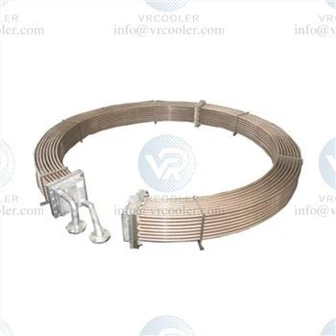
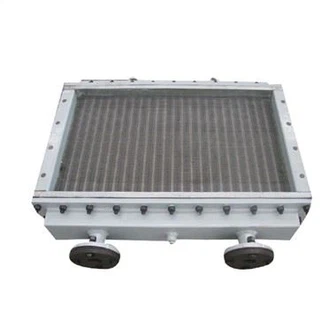
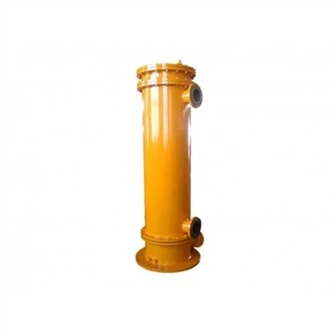
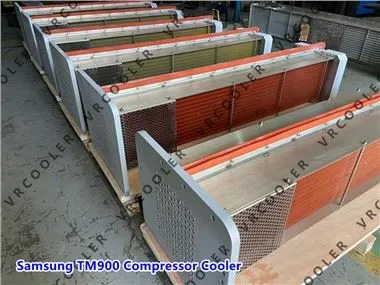
An intercooler is a heat exchanger that is placed between two or more stages of compression in a compressor. It is used to cool the compressed air between stages, which reduces the temperature and increases the density of the air. The use of an intercooler allows for higher compression ratios, which can result in higher efficiency and reduced energy consumption.

The intercooler works by removing the heat from the compressed air and transferring it to a cooling medium, typically air or water. This cooling medium then carries the heat away from the compressor. The intercooler can be air-cooled or water-cooled, depending on the specific application.
The use of an intercooler in a compressor provides several benefits, including:
Increased efficiency: By cooling the compressed air between stages, the intercooler increases the density of the air, which allows for higher compression ratios and increased efficiency.
Reduced operating temperature: The use of an intercooler reduces the operating temperature of the compressor, which can help to extend the life of the compressor and reduce maintenance costs.
Improved product quality: Cooling the compressed air can help to reduce the moisture content and improve the quality of the final product.
In summary, the use of an intercooler in a compressor is important to maintain proper temperature levels and improve the efficiency and reliability of the compression process.