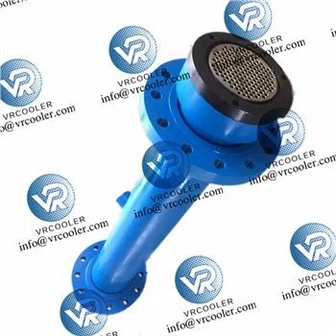
What Is The Purpose Of Intercooler And Aftercooler in Air Compressor?
Intercoolers and aftercoolers are used in air compressors to improve the efficiency and performance of the compressor by cooling the compressed air between stages.
An intercooler is typically used in a multi-stage compressor to cool the air between the stages. As air is compressed, it becomes hot, and hot air is less dense, which can reduce the compressor's efficiency. An intercooler cools the compressed air between stages, increasing its density and allowing for more efficient compression in subsequent stages.
An aftercooler is used to cool the compressed air after it has been discharged from the compressor. This is important because compressed air can become very hot during the compression process, and hot air contains more moisture than cool air. Cooling the compressed air with an aftercooler reduces its temperature and removes moisture, which can help prevent damage to downstream equipment and improve the quality of the compressed air.
Intercoolers and aftercoolers can also help extend the lifespan of the compressor itself. By reducing the temperature of the compressed air, intercoolers and aftercoolers help to reduce the amount of stress placed on the compressor's components, which can help to prevent premature wear and tear and reduce the risk of mechanical failure.
In addition to improving the performance of the compressor, intercoolers and aftercoolers also have the added benefit of improving the quality of the compressed air. By removing moisture from the compressed air, aftercoolers can help to prevent corrosion and other damage to downstream equipment, such as air tools and pneumatic machinery. In addition, by reducing the temperature of the compressed air, aftercoolers can help to improve the overall efficiency of the compressed air system, which can lead to cost savings in energy and maintenance costs.
It is worth noting that the use of intercoolers and aftercoolers is particularly important in high-pressure air compressors, which generate compressed air at pressures of 100 PSI or higher. In these compressors, the temperature of the compressed air can become extremely high, which can lead to reduced efficiency, increased wear and tear on equipment, and a greater risk of mechanical failure. By cooling the compressed air with intercoolers and aftercoolers, high-pressure compressors can operate more efficiently and reliably, with less risk of damage or failure.
Intercoolers and aftercoolers are available in a variety of sizes and configurations, depending on the specific needs of the compressor and the application in which it is used. Some compressors may require multiple intercoolers or aftercoolers, depending on the number of stages or the volume of compressed air produced. Additionally, intercoolers and aftercoolers may be integrated into the compressor itself or installed as separate components, depending on the design of the compressor and the needs of the application.
In summary, intercoolers and aftercoolers play a critical role in the operation of air compressors by cooling the compressed air between stages and after discharge, reducing the temperature and moisture content of the compressed air, improving the efficiency and performance of the compressor, and extending the lifespan of equipment downstream. By choosing the appropriate intercooler and aftercooler for the specific application, users can optimize the performance and reliability of their air compressor system while reducing costs and improving overall efficiency.