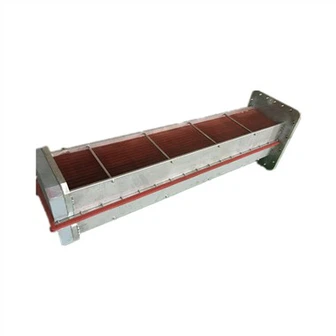
Oil Cooler And Aftercooler Cores For The Diesel Engine
Oil cooler and aftercooler Cores for the diesel engine
A cooling engine thermostat and the liquid coolant that aids in transferring heat away from your engine are just two examples of the various parts that can have an impact on the operation of your diesel engine cooling system. The oil cooler core is one of these that you might not consider. A compact radiator, an oil cooler core decreases the temperature of the oil that travels through your system. The oil cooler core issue may result in oil leaks, overheating, smoke, and ultimately engine failure. It's critical to have a fundamental understanding of this cooling system component and know the warning indications of potential issues.
How to Fix an Oil Cooler Core
An oil or coolant leak is one of the most frequent problems associated with the oil cooler core. A pressure check may generally be used to find these. The core is taken out of the cooling system, submerged in water, and pressured to search for leaks. The size and position of the core determine how difficult it will be to fix any leaks. Sometimes the entire core needs to be replaced.
Similar to other radiator types, an oil cooler core's tubes can occasionally become obstructed. Due to the reduced water flow through the tubes, the cooler is unable to properly drop the oil's temperature. A thorough cleaning will frequently unclog clogged water tubes. Yet clogged oil channels typically call for a core replacement.
Every time an oil cooler core is installed or replaced, the oil filter needs to be thoroughly inspected. The oil cooler core's quality can be inferred from the filter's quality. For instance, if there are tiny chips in the oil filter, it is likely that the oil cooler core also has them. This is especially true if your system is designed the way most systems are, with oil flowing through the cooler and filter in that order. In that situation, it is unlikely that the oil cooler core can be fully cleaned and will need to be replaced. As a general rule, if your oil filter is contaminated in any way, your oil cooler core probably is as well.

Understanding Aftercooler Cores
An aftercooler is a heat exchanger that reduces air temperature after it has passed through the turbocharger of a diesel engine. A turbocharger is used to boost an engine's power and efficiency in terms of energy. This additional power is useful in some situations, such as in heavy marine equipment. Notwithstanding the differences between oil cooler and aftercooler cores, some of the same techniques for problem identification and repair are still relevant.
An effective aftercooler core requires a sufficient air supply. If your system has one, check that the aftercooler core is receiving enough airflow and that no fumes are being directed into the air intake, as this could reduce the aftercooler's efficiency. It's critical to monitor and control the temperature of the air and seawater flowing around your aftercooler core in marine engines. When the air and water temperatures diverge, it may indicate that the aftercooler core is blocked. The air temperature will fluctuate in relation to the water temperature at a specific rate.
The tube bundles of an aftercooler cannot be cleaned from the interior using a rod, unlike other types of cooler cores. Instead, a reverse water flow must be used to back cleanse them. In most cases, it is advisable to have these cleaned at a shop by qualified specialists, unless the core cannot be removed from the system.
Contact VRcooler right away to speak with a team of professionals skilled to service oil cooler cores and aftercooler cores on diesel engine cooling systems.