What Is The Principle Of Shell And Tube?
What is the principle of shell and tube?
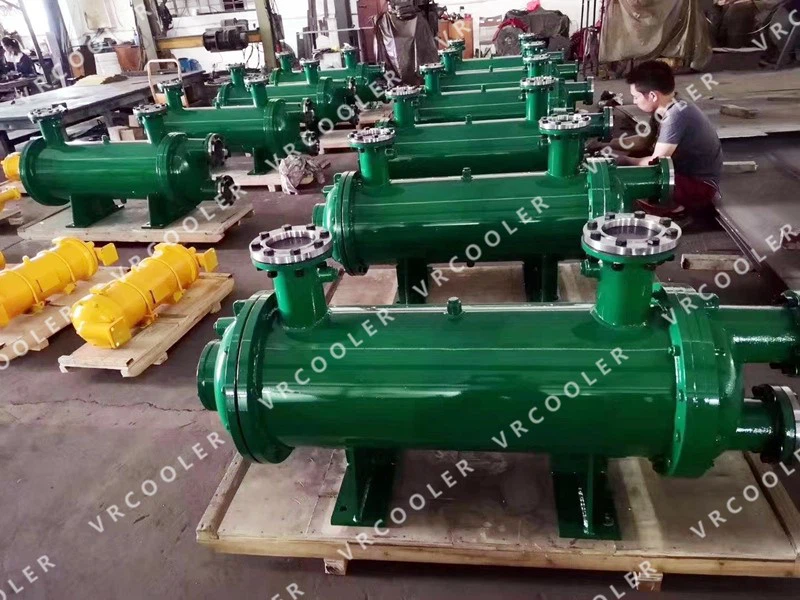
The principle of a shell and tube heat exchanger is based on the concept of transferring heat between two fluids without direct mixing. Heat transfer occurs through the walls of the tubes, which separate the two fluids.
The basic principle of shell and tube heat exchangers can be summarised as follows:
1. Two fluids: A heat exchanger has two separate fluid streams - a hot fluid and a cold fluid. The hot fluid is the one that needs to be cooled or needs to extract heat, while the cold fluid is the one that needs to be heated or absorbs heat from the hot fluid.
2. Tube bundle: A heat exchanger consists of a bundle of tubes, which are mounted or fixed to a tube sheet at both ends. These tubes are placed inside a larger cylindrical container (called the shell).
3. Direction of flow: In the annular space formed by the shell and the tube bundle, the hot fluid flows inside the tubes and the cold fluid flows outside the tubes.
4. Heat transfer: When a hot fluid flows through a pipe, it transfers heat to the pipe wall. The heat is then conducted through the pipe wall and transferred to the cold fluid on the shell side. The cold fluid absorbs the heat and is heated while the hot fluid cools.
5. Counter-flow or parallel flow: The flow of two fluids can be arranged in a counter-flow, parallel flow, or staggered flow configuration. The most efficient heat transfer occurs in a counter-flow arrangement where the hot and cold fluids flow in opposite directions.
6. folding plate and channel: in order to improve the efficiency of heat transfer, the shell process is often set up folding plate or tube plate, in order to guide the flow of the shell process fluid to promote turbulence. Can also be used several times through the tube bundle to further improve heat transfer.
7. Exit point: After passing through the tube bundle, the hot and cold fluids leave the heat exchanger through their respective exits.
The principle of the shell and tube heat exchanger relies on maximizing the surface area for heat transfer between the two fluids while keeping them separated. This design allows for efficient heat exchange and is used in a wide variety of industrial processes and HVAC systems where efficient heat transfer between two fluids is critical.