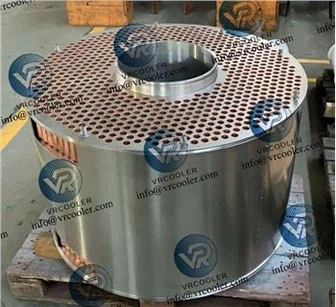
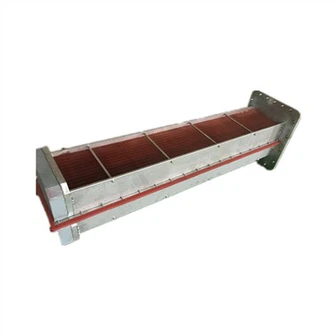
What Is The Best Material For A Heat Exchanger Shell?
What is the best material for a heat exchanger shell?
The choice of the best material for a heat exchanger shell depends on a number of factors, including the type of fluid involved, the operating conditions (temperature and pressure), and the potential for corrosion or fouling. A variety of materials are commonly used for heat exchanger housings, each with its own advantages and limitations. The most suitable material for an enclosure may vary depending on the specific application.

Some common materials used for heat exchanger housings include:
1. Carbon Steel: Carbon steel is a widely used material for heat exchanger housings because of its cost-effectiveness, availability and good mechanical properties. However, it is susceptible to corrosion, especially in applications involving corrosive fluids or high temperatures.
2. Stainless steel: Stainless steel has excellent corrosion resistance, making it suitable for heat exchangers that handle corrosive fluids or operate in corrosive environments. Commonly used stainless steel grades include 304, 316 and duplex stainless steel.
3. Copper-nickel alloys: Copper-nickel alloys, such as Cu-Ni 90/10 and Cu-Ni 70/30, are known for their excellent corrosion resistance in marine and seawater applications. They are commonly used in marine heat exchangers.
4. Titanium: Titanium is a lightweight and highly corrosion-resistant material suitable for corrosive chemical environments or where weight is a critical factor. However, titanium is relatively expensive compared to other materials.
5. Nickel Alloys: Nickel-based alloys, such as Inconel and Hastelloy, are chosen for their superior corrosion resistance and high temperature applications. They are commonly used in heat exchangers that handle corrosive and high temperature fluids.
6. Aluminium: Aluminium is commonly used in air-cooled heat exchangers due to its excellent thermal conductivity and lightweight properties. It is commonly used in finned tube heat exchangers.
Selection of the optimum shell material should take into account factors such as fluid properties, operating temperatures and pressures, as well as specific industries and environments. A thorough understanding of the application requirements and careful engineering will ensure optimum performance, reliability and service life of the heat exchanger.