What Is The Cooling Process Of A Gas Engine?
What is the cooling process of a gas engine?
The cooling process of a gas engine is the process by which the hot heat generated inside the engine is removed and distributed through the cooling system.
In general, the cooling process of a gas engine consists of the following steps:
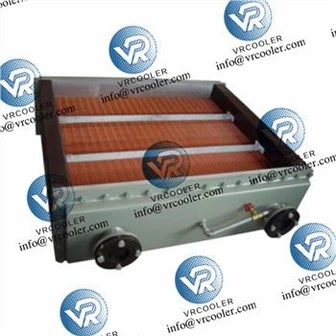
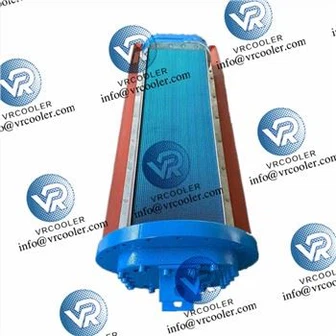
Circulation of the coolant: The cooling system of a gas engine absorbs the heat generated by the gas engine and removes it by circulating a flowing coolant (usually water or a mixture of water and glycol). The coolant flows out of the engine's water jacket and into the radiator, where it passes through channels in the heat sink core and comes into contact with the surface of the core, raising its surface temperature. As the coolant flows through the heat sink core, its temperature gradually decreases, while absorbing the heat from the surface of the heat sink core. When the coolant flows through the complete channel, its temperature is reduced and then flows back into the water jacket of the gas engine again, completing a cycle.
Heat absorption: The coolant flows through the engine's water jacket and absorbs the heat generated inside the engine, including the high temperature and pressure gases produced during combustion and the heat generated by the friction of various moving parts. The flow of coolant through the water jacket carries the absorbed heat to the radiator.
Heat transfer: When the coolant flows through the heat sink core in the radiator, its temperature is higher than the external environment, and the heat generated by the engine is transferred to the heat sink core by convection, and then the heat sink of the core radiates the heat to the surrounding air to complete the heat dissipation process.
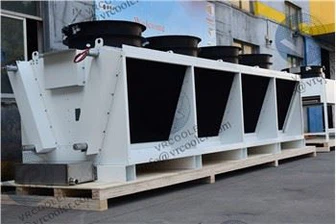
Heat dissipation: Heat dissipation means that the radiator transfers heat from the coolant by radiating the absorbed heat into the surrounding air through the fins to raise its temperature. At the same time, the blowing action of the fan enhances the flow of air and accelerates the heat dissipation. The effect of heat dissipation depends on factors such as the heat dissipation area of the radiator, the number of heat sinks and the heat exchange capacity of the radiator and the surrounding environment.
To sum up, the cooling process of a gas engine is to absorb the high temperature heat generated by the gas engine through the circulating coolant and then radiate the heat into the surrounding air through the radiator, thus maintaining a stable internal engine temperature and avoiding problems such as mechanical fatigue, damage and reduced life due to high temperatures.