How Does The Radiator Of A Gas Engine Cooling System Work?
How does the radiator of a gas engine cooling system work?
The radiator of a gas engine cooling system distributes the heat generated inside the gas engine by means of conduction, convection and radiation.
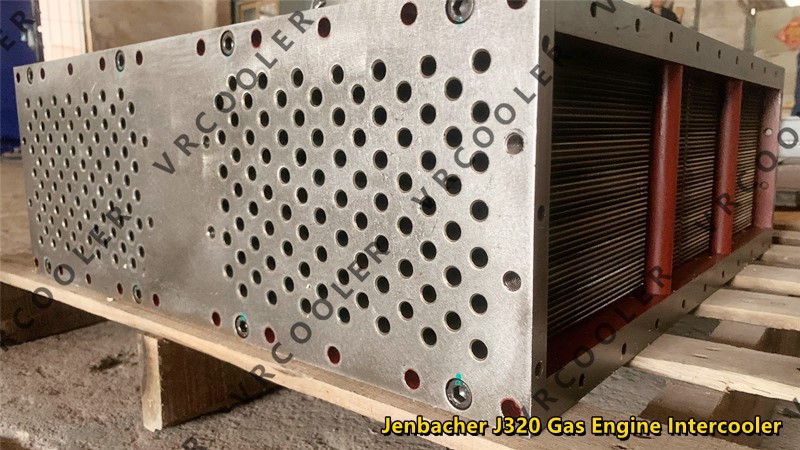
The radiator usually consists of a core and a casing through which the coolant flows through a series of small channels, while the fins on the core increase the surface area so that the heat is better transferred to the outside world. When the coolant flows through the core, the heat generated by the engine is transferred to the core by convection, and then the fins on the core radiate the heat into the surrounding air, completing the heat dissipation process.
Specifically, the coolant flows out of the water jacket of the gas engine, into the radiator, through the channels in the heat sink core and comes into contact with the surface of the core, causing its surface temperature to rise. As the coolant flows through the heat sink core, its temperature gradually decreases, while absorbing the heat from the surface of the core. When the coolant flows through the complete channel, its temperature is reduced and then flows back into the water jacket of the gas engine again, completing a cycle.
As the coolant flows through the radiator, the heat sink on the surface of the radiator transfers heat from the coolant by radiating it to the surrounding air, raising its temperature. At the same time, the blowing action of the fan enhances the flow of air and speeds up the distribution of heat.
Overall, the radiator plays a very important role in the cooling system of a gas engine. It effectively transfers the heat generated by the engine to the surrounding environment by means of conduction, convection and radiation, ensuring a stable engine temperature, protecting the engine and increasing its life.