What Is Dry Cooling in A Power Plant?
In a power plant, "dry cooling" refers to the process of using air to cool down the hot water or steam that has been used to generate electricity.
Typically, power plants use water to absorb the heat generated during electricity production. This water is then pumped through a cooling system, where it is cooled by either contact with cold air or by evaporation. However, in certain regions where water is scarce, dry cooling systems are used instead.
In a dry cooling system, hot water or steam is circulated through a heat exchanger, where it is cooled by air flowing over the exchanger's surface. The cooled water or steam is then returned to the power plant to be used again.
Dry cooling systems are typically less efficient than water-based cooling systems because air is not as effective at dissipating heat as water. However, dry cooling systems are still an effective way to cool power plants in water-scarce areas. They are also often used in combination with water-based cooling systems to help reduce the overall amount of water needed to cool the plant.
Dry cooling systems have a number of advantages over water-based cooling systems. For example, they do not require large amounts of water to operate, which makes them ideal for use in areas where water is scarce or where water conservation is a priority. Additionally, dry cooling systems do not produce any wastewater, which can help reduce the environmental impact of power plants.
However, as mentioned earlier, dry cooling systems are less efficient than water-based cooling systems, which can lead to higher operating costs for power plants. They also require larger amounts of electricity to operate, as fans are needed to circulate the air over the heat exchangers.
Another drawback of dry cooling systems is that they are often much larger than water-based cooling systems, which can make them more expensive to install and maintain. Additionally, dry cooling systems may be more susceptible to damage from harsh weather conditions, such as high winds or extreme temperatures.

Dry cooling systems can be classified into two main types: direct dry cooling and indirect dry cooling.
In direct dry cooling, the hot water or steam from the power plant is directly cooled by the air, which is blown over the heat exchanger by fans. The cooled water or steam is then returned to the power plant. This type of system is less complex and less expensive to install than indirect dry cooling, but it is also less efficient.
In indirect dry cooling, the hot water or steam from the power plant is first circulated through a heat exchanger, where it transfers its heat to a secondary fluid (usually a refrigerant) that is then circulated through a separate air-cooled heat exchanger. The air flowing over the heat exchanger cools the refrigerant, which in turn cools the hot water or steam from the power plant. This type of system is more complex and more expensive to install than direct dry cooling, but it is also more efficient.
Dry cooling systems can also be further categorized based on the type of heat exchanger used. The two main types of heat exchangers are air-cooled finned-tube heat exchangers and spray-type heat exchangers.
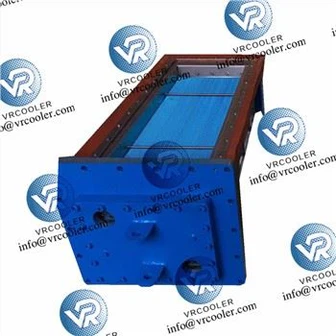
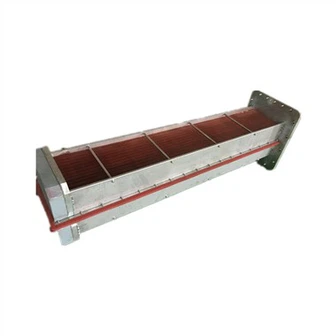
Air-cooled finned-tube heat exchangers are the most common type of heat exchanger used in dry cooling systems. They consist of a bundle of tubes with fins attached to them. The hot water or steam flows through the tubes, while the air flows over the fins, which increases the surface area for heat transfer.
Spray-type heat exchangers are less common than air-cooled finned-tube heat exchangers. They use water sprays to cool the hot water or steam from the power plant, which is then recirculated back to the power plant. Spray-type heat exchangers are more efficient than air-cooled finned-tube heat exchangers, but they require a larger amount of water to operate, which may limit their use in water-scarce areas.
Overall, dry cooling systems offer a viable alternative to water-based cooling systems in certain situations, but they are not suitable for every application. Power plant operators must carefully weigh the benefits and drawbacks of each cooling system option to determine which one is best for their particular needs.