Dry Cooler For Geothermal Electricity Production
Dry cooler for Geothermal electricity production
A dry cooler, also known as an air-cooled condenser, is a heat rejection device that is commonly used in geothermal power plants to remove excess heat from the steam or working fluid used in the power generation process.
In a geothermal power plant, hot water or steam is used to drive a turbine, which in turn generates electricity. After the steam has passed through the turbine, it needs to be cooled down and condensed back into water to be reused in the process. This is where the dry cooler comes in.
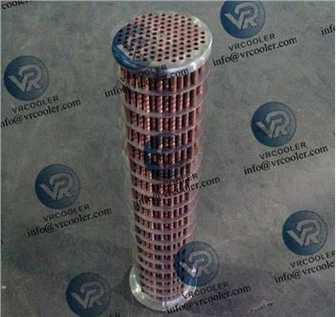
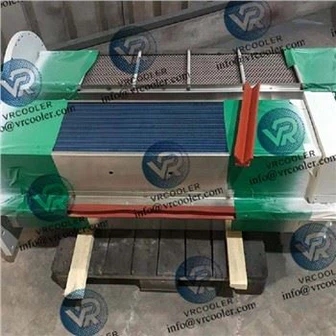
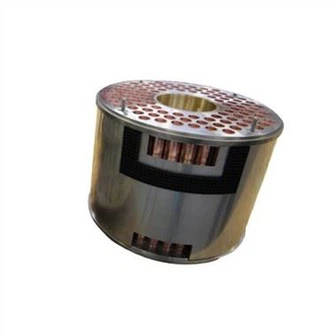
The dry cooler works by using a heat exchanger to transfer the heat from the steam or working fluid to the surrounding air. As the steam passes through the heat exchanger, it gives off its heat to the metal fins of the exchanger, which are cooled by forced air. The cooled steam then condenses back into water, which can be reused in the geothermal power generation process.
Dry coolers are often preferred over traditional wet cooling systems in geothermal power plants because they require much less water, which can be a scarce resource in arid regions where geothermal resources are often located. Additionally, dry coolers are more environmentally friendly than wet cooling systems, as they do not release large amounts of hot water or steam into the atmosphere.