What Is A Guide Bearing Oil Cooler?
What is a guide bearing oil cooler?
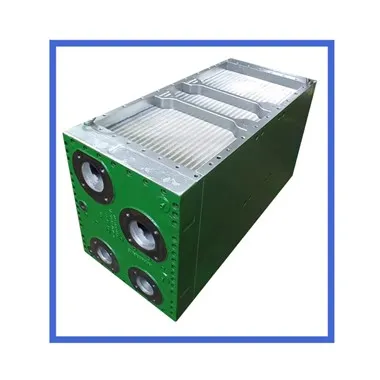
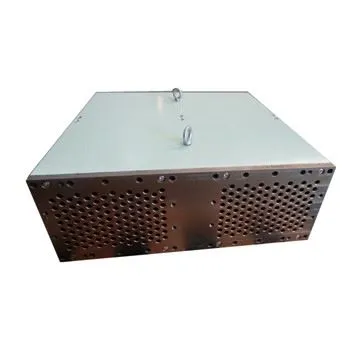
A guide bearing oil cooler is a device used in large rotating machinery, such as turbines or generators, to cool the oil used in guide bearings. Guide bearings are used to support the rotor of the machine and maintain its position, and they require a constant supply of oil for lubrication and cooling.
The guide bearing oil cooler works by circulating water or air over a set of pipes or fins that are in contact with the oil. This removes heat from the oil, preventing it from overheating and breaking down. The cooled oil is then returned to the guide bearing, where it can continue to lubricate and cool the bearing.
Guide bearing oil coolers are important components in the operation of large rotating machinery, as they help to prevent damage to the guide bearings and extend the lifespan of the machinery.
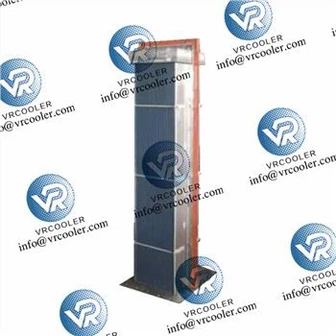
Guide bearing oil coolers typically consist of a set of pipes or fins that are placed in contact with the oil in the guide bearing. These pipes or fins are made of materials that are good conductors of heat, such as copper or aluminum, and are designed to maximize the surface area available for heat exchange.
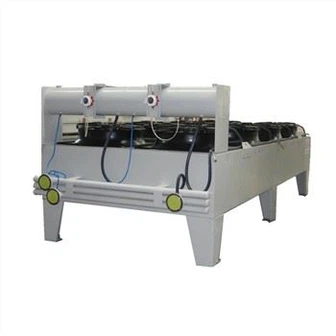
The cooling medium, which can be water or air, is circulated over the pipes or fins using a pump or a fan. As the cooling medium flows over the surface of the pipes or fins, it absorbs heat from the oil, causing the oil temperature to decrease. The cooled oil is then returned to the guide bearing, where it can continue to lubricate and cool the bearing.

Guide bearing oil coolers can be either water-cooled or air-cooled. Water-cooled coolers are more efficient and can remove more heat than air-cooled coolers, but they require a separate water supply and are more expensive to install and maintain. Air-cooled coolers are simpler and less expensive, but they are less efficient and may not be suitable for applications where large amounts of heat must be removed.
Proper maintenance and monitoring of the guide bearing oil cooler is important to ensure its continued effective operation. Regular inspections, cleaning, and replacement of worn or damaged components can help to prevent malfunctions and extend the lifespan of the cooler.