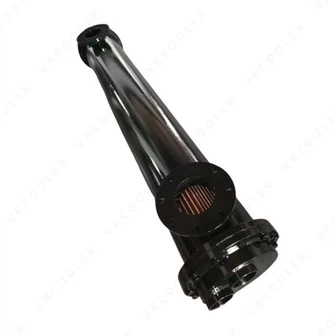
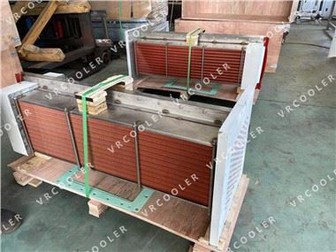
What Is A Generator Air Cooler?
A generator air cooler is a device used to cool the air in a generator. It plays a crucial role in maintaining the normal operation and performance of the generator.
Function
Temperature control: Generators produce a lot of heat during operation. The air cooler is used to lower the temperature of the air in the generator, preventing the generator's components from overheating. This is essential because excessive heat can cause a decrease in the efficiency of the generator, affect the lifespan of its components, and even lead to equipment failure.
Improve insulation performance: High temperatures can reduce the insulation performance of the generator's winding and other components. By cooling the air, the air cooler helps to maintain the insulation performance of the components, reducing the risk of insulation breakdown and short circuits, thereby improving the operational reliability of the generator.
Enhance generator efficiency: When the temperature of the generator is properly controlled, the magnetic properties of the iron core and the conductivity of the winding can be maintained in an optimal state, which is conducive to reducing losses such as iron loss and copper loss, thereby improving the overall efficiency of the generator.

Working Principle
Air-cooled type: This type of air cooler uses the principle of heat exchange between air and air. Usually, an axial fan or a centrifugal fan is installed in the generator. The fan forces the hot air inside the generator to pass through the air cooler. The air cooler is equipped with fins or heat exchange tubes. Outside air or cooled air from other sources is used to cool the hot air passing through the cooler, thereby reducing the temperature of the air inside the generator.
Water-cooled type: The water-cooled generator air cooler operates based on the principle of heat exchange between water and air. The hot air in the generator passes through the heat exchange tubes of the air cooler, and cooling water flows through the outside of the tubes. Due to the temperature difference, the heat in the hot air is transferred to the cooling water. The cooling water then carries away the heat and is discharged to the outside of the generator after being cooled by a cooling tower or other cooling equipment.

Structural Features
Compact structure: In order to adapt to the limited space inside the generator, the air cooler is designed to be compact, which can be well integrated with the generator's structure without taking up too much space.
High heat exchange efficiency: It is made of materials with good heat conductivity, such as copper and aluminum, and is equipped with a large number of fins or heat exchange tubes to increase the heat exchange area and improve the heat exchange efficiency.
Corrosion resistance: Since the air cooler is often exposed to humid air and cooling water, its components need to have good corrosion resistance to ensure a long service life. Materials such as stainless steel and anti-corrosion coatings are usually used.
Good sealing performance: To ensure the normal operation of the cooling system and prevent air leakage and water leakage, the air cooler has a good sealing structure to ensure that the cooling medium and the air in the generator do not leak.