What Is A Box Cooler in A Ship?
What is a box cooler in a ship?
A box cooler in a ship is a type of heat exchanger used to cool various machinery systems, such as the engine, lubrication oil, or freshwater circuits, by utilizing seawater as a cooling medium. It is an essential component of a ship's cooling system.
How a Box Cooler Works:
Construction:
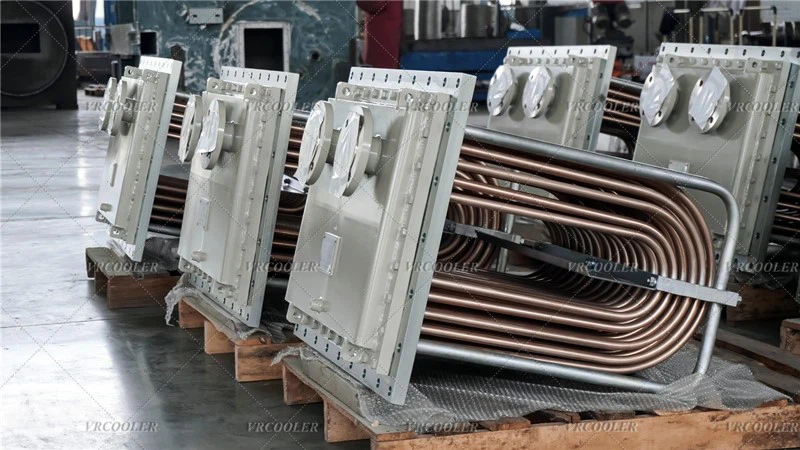
It consists of a metal box (housing) containing a network of tubes or coils.
The tubes carry the hot fluid (e.g., engine coolant, lubricating oil, or freshwater) that needs cooling.
The seawater flows around these tubes inside the box, absorbing heat from the tube surfaces.
Heat Transfer Process:
The hot fluid passes through the tubes while seawater is pumped around them.
Heat is transferred from the internal fluid to the seawater, which is then discharged overboard.
Materials Used:
Tubes are typically made of corrosion-resistant materials like cupronickel, titanium, or stainless steel.
The outer box is usually made of steel or other durable materials to withstand marine conditions.
Advantages of Box Coolers:
Simple and robust design with no moving parts.
Efficient cooling for various shipboard systems.
Low maintenance compared to plate coolers (since they are less prone to clogging).
Common Applications on Ships:
Cooling main engine jacket water.
Cooling lubricating oil for engines and gearboxes.
Cooling freshwater or central cooling systems.
Auxiliary machinery cooling.