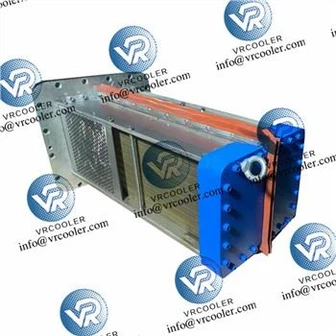
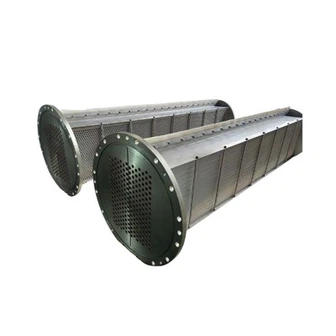
What Happens If The Box Cooler Anti-Corrosion Coating Is Damaged?
Consequence Analysis When Box Cooler Anti-Corrosion Coating Gets Damaged
1. Severe Galvanic Corrosion (Most Critical Risk)
Box cooler tubes are copper-nickel / aluminum brass (noble cathode metal), while sea chest & hull are carbon steel (active anode metal). Seawater acts as conductive electrolyte.
Once the steel coating peels/scratches, bare steel forms a galvanic cell with the copper alloy tube bundle.
Small damaged steel area + large copper tube surface creates extreme corrosion current. The exposed steel spot suffers rapid localized pitting corrosion, even perforation in months.
Corrosion rate is far faster than normal seawater rusting; tiny coating defects expand quickly.
2. Crevice & Under-Coating Corrosion
Seawater seeps under the broken coating edge, separating the paint film from steel gradually.
Corrosion products (rust) swell and lift surrounding intact coating, enlarging the damaged area continuously.
Stagnant seawater trapped under coating triggers crevice corrosion, accelerating wall thinning of the sea chest steel structure.
3. Accelerated Consumption of Sacrificial Anodes
Zinc/aluminum sacrificial anodes are designed to protect intact coated steel.
Exposed bare steel drastically increases cathodic protection load. Anodes will be consumed much faster than design life.
Frequent anode replacement is required; if neglected, steel corrosion worsens sharply after anodes are exhausted.

4. Interference to ICAF Anti-Fouling System
ICAF adjusts potential difference between copper tubes and steel to control fouling and reduce galvanic risk.
Bare steel changes the overall potential balance inside the sea chest.
Unbalanced potential causes abnormal ICAF current output: either insufficient copper ion release (severe marine growth blocking tube heat exchange) or overvoltage that speeds up steel pitting.
5. Secondary Harm to Box Cooler Performance
Rust flakes fall off corroded steel, attach to the outer surface of tube bundles, block seawater flow channels, and reduce heat exchange efficiency.
Marine organisms adhere easily to rust deposits, further clogging the cooler and raising engine operating temperature.
6. Long-Term Structural Failure Risk
Continuous pitting corrosion thins sea chest steel plates. In severe cases:
Through-hull leakage risk;
Structural weakening of the sea chest, requiring costly dry dock repair, plate cutting and recoating.