What Are The Cooling Options For Generators?
The cooling methods of turbine generators
(1) Air cooling
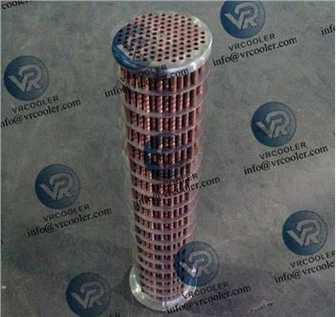
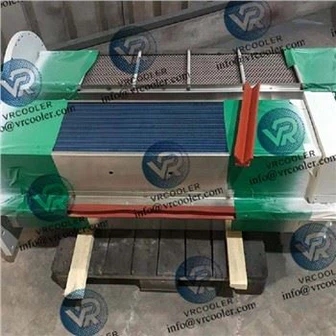
There are open air cooling and closed cycle air cooling. The so-called open air cooling is in the general small generators, the generator fan from the plant will be cold air into the motor, cooling the various parts and then discharged from the machine. Closed loop air cooling is used in medium and large generators, where the cooling air comes out of the generator and is drawn under the pit, where it is cooled by a set of air coolers and then pumped into the motor by the fan. This air is always circulated internally and can be kept clean inside the machine.
(2) In-water cooling
Generally double water internal cooling, i.e. the conductors of the stator winding and rotor excitation winding are hollow, and cooling water is passed inside their conductors, while the stator chamber is still cooled by air. Although the cooling efficiency is high, the conductors are prone to scaling and blockage.
(3) Hydrogen cooling
There are two types of cooling: hydrogen external cooling and water-hydrogen hydrogen cooling.
Hydrogen cooling is the same as air cooling, but the cooling medium is changed from air to hydrogen, but the cooler for hydrogen is inside the machine. The water-hydrogen-hydrogen cooling differs in that the stator winding conductors are internally cooled with cooling water, the rest is the same as the hydrogen external cooling method.

Generator cooling methods
① Axial ventilation cooling method.
② Air gap extraction diagonal flow cooling method.
③Sub-slot ventilation cooling method. A power plant generator uses water for direct cooling of the stator windings, phase connectors and bushings. The rotor windings are directly hydrogen cooled. The losses in other generator components, such as iron losses, friction losses, airflow losses and heat generated by stray losses are carried away by hydrogen. The lightest of the gases is hydrogen, which is a colourless, odourless and tasteless gas. 1m3 of hydrogen has a mass of 89.87g at a temperature of 0°C and a pressure of 1.013 x 10⁵ Pa, compared to 1293g of air in the same situation. operation shows that the size of the generator ventilation losses depends on the quality of the cooling medium, the lighter the cooling medium, the smaller the losses, so the use of Hydrogen cooling can increase generator efficiency by 0.7% to 1.0%. The favourable characteristic of hydrogen is not only its light mass, but also its relatively high heat transfer coefficient.