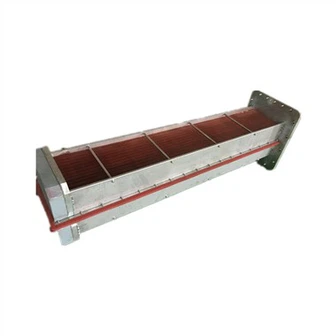
Generator Cooling Methods
Generator cooling methods
There are many different types and capacities of generators, which can be divided into petrol, methane and diesel generators in terms of fuel. Different models of machines do not have the same form of cooling, but in general the media used can be divided into air, hydrogen, and water. The following is a detailed description of the three types of media used to cool synchronous generators, for example.
Air cooling
Air cooling is the use of fans to facilitate the replacement of hot and cold air, ultimately achieving the purpose of cooling. Cold air is used to dissipate heat from the winding ends of the generator set, the stator and the rotor. The cold air absorbs heat and becomes hot air, which is then discharged through the air ducts of the iron core after the initial convergence of the breath between the stator and rotor, and cooled by the cooler. The cooled air is then circulated by a fan into the generator for cooling purposes. Air cooling is generally used for small and medium sized synchronous generators.
Hydrogen cooling
Hydrogen cooling is used as the cooling medium. The cooling performance of hydrogen is better than that of air, so most dairy turbine generators are cooled by hydrogen.
Water cooling
Water cooling is used in the form of stator and rotor dual water internal cooling. The cold water from the stator water system flows through the water pipe to the inlet ring mounted on the stator blocks, and then flows through the insulated pipes to the individual coils respectively, absorbing heat and then summarising it through the insulated water pipe to the outlet ring mounted on the machine block, and then discharging it into the external water system of the generator for cooling. The cooling of the rotor water system first enters the inlet support at the shaft end of the exciter, then flows into the central hole of the rotor shaft, along several warp holes to the water collection tank, and then through the insulated pipes to the coils. After the cold water has absorbed heat, it flows through the insulated tube into the outlet tank and then through the drainage holes on the outer edge of the outlet tank to the outlet support, which is led out by the main outlet pipe. As the cooling performance of water is much higher than that of air and hydrogen, water cooling is generally used in new large generating sets.