What Are The Benefits Of Using A Dry Cooler With Air Compressors?
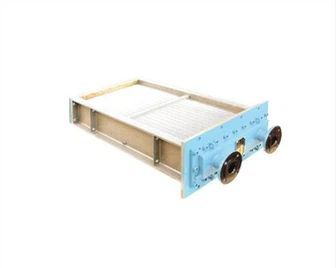
A dry cooler is a highly efficient, air-cooled heat-exchange system used to remove heat from compressed air, compressor oil, or intercooler/aftercooler circuits. When integrated with an air compressor system-especially in industrial environments-a dry cooler delivers reliable cooling performance without the need for water consumption.

1. No Water Consumption
Unlike water-cooled systems, dry coolers rely entirely on ambient air.
This eliminates the need for:
Cooling towers
Water treatment equipment
Make-up water supply
Blowdown or wastewater handling
This is especially beneficial in regions with limited water resources or where water costs are high.
2. Lower Operating Costs
Dry coolers use fans only, resulting in:
Lower electrical consumption
Zero water-related chemical cost
Reduced maintenance cost compared to evaporative systems
Overall, the lifetime operating cost is significantly lower.
3. Extended Compressor Lifespan
Stable cooling prevents overheating of:
Compressor oil
Intercoolers
Aftercoolers
Bearings and internal components
Cool, clean operating temperatures reduce thermal stress and improve the compressor's service life.
4. Suitable for Harsh Industrial Environments
Dry coolers are robust and can operate reliably in:
Dusty industrial plants
High-temperature environments
Outdoor installations
Heavy-duty, 24/7 operations
Fin-tube coils and industrial-grade axial fans ensure consistent cooling even under extreme conditions.
5. No Risk of Scaling or Corrosion from Water
Since no cooling water is used:
No scaling inside heat exchangers
No corrosion from poor water quality
No biological growth (e.g., algae, Legionella)
No clogged nozzles or fouling
This results in cleaner operations and fewer unscheduled shutdowns.
6. Easy Installation and Low Maintenance
Dry coolers come as complete packaged units with:
Finned coils
Fan assemblies
Weatherproof housing
Optional variable-speed fan control
Maintenance typically includes coil cleaning and checking fan motors-simple, low-cost tasks.
7. Energy-Efficient Heat Rejection
Modern dry coolers often use:
EC (electronically commutated) fans
Variable speed control
Optimized fin design
Large coil surface area
These features deliver maximum heat rejection with minimum power consumption.
8. Ideal for Oil Cooling in Screw and Piston Compressors
Air compressors generate significant heat during compression. Dry coolers effectively cool:
Lubricating oil
Compressor coolant
Aftercooler air
Intercooler circuits
This is especially valuable for oil-injected screw compressors and high-duty reciprocating compressors.
9. Flexible and Scalable System Design
Dry coolers can be configured for:
Single or multiple compressors
Outdoor rooftop installations
Horizontal or vertical airflow
Modular expansion
This provides flexibility for compressed-air system upgrades and capacity increases.
10. Environmentally Friendly
Dry coolers reduce environmental impact by eliminating:
Water usage
Chemical discharge
Evaporative drift
Microbial contamination risk
They offer a clean, sustainable way to remove heat from compressor systems.