Water Turbine Plant Air Cooler Ensures Efficient And Stable Operation Of The Unit
In hydropower stations, the turbine generator is the core equipment for power generation. During operation, key components such as the stator, rotor, and windings generate a significant amount of heat due to electromagnetic and mechanical losses. If this heat cannot be dissipated in time, it will directly lead to increased motor temperature, accelerated insulation aging, and decreased efficiency. In severe cases, it can even cause winding burnout and unit tripping. The dedicated air cooler for hydropower plants is a key heat dissipation device designed to solve this problem. It uses indirect heat exchange between air and cooling water to stably remove heat from the unit, ensuring the long-term, safe, and efficient operation of the turbine generator.
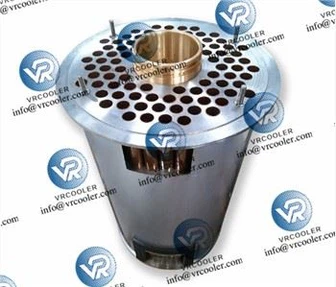
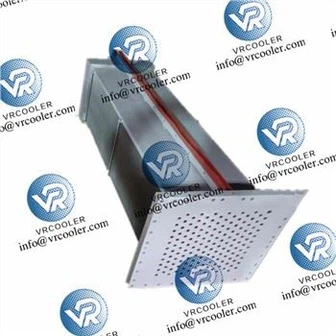
Most hydropower generator air coolers adopt a shell-and-tube or finned-tube structure, typically installed inside the generator stator frame or in the air circulation channel. During operation, hot air inside the generator flows through the cooler under the pressure of a fan or air duct, while cooling water flows within the heat exchange tubes. The hot and cold media do not come into contact; heat exchange is completed through the tube walls. The cooled air then returns to the generator, forming a continuous closed-loop air circulation path, thereby controlling the unit temperature within the design limits.
These air coolers are designed with the actual operating conditions of hydropower stations in mind. The equipment typically employs a corrosion-resistant and vibration-resistant structure, with heat exchange tubes often made of copper, stainless steel, or aluminum fin composites, resulting in high heat transfer efficiency, low resistance, and long service life. To adapt to the humid, dusty, and high-humidity environment of hydropower stations, the coolers have been reinforced in terms of corrosion prevention, sealing, and condensation prevention, ensuring no water leakage, air leakage, or blockage during long-term continuous operation.

In terms of performance, turbine air coolers must meet the requirements of various unit operating conditions: providing stable cooling capacity under different states such as start-up, no-load, rated load, phase-changing operation, and sudden load changes. Furthermore, to improve reliability, many units use multiple air coolers arranged in parallel. Even if one cooler is under maintenance or fails, the others can still ensure basic unit operation, avoiding unplanned shutdowns due to heat dissipation problems.
Regarding operation and maintenance, the daily management of air coolers focuses on maintaining water cleanliness, controlling water pressure, and preventing scaling and blockage inside the tubes. Regularly checking airflow, cleaning dust between fins, and inspecting seals for leaks can effectively maintain cooling efficiency and extend equipment lifespan. A decrease in cooler heat exchange efficiency will directly manifest as higher generator temperature rise, requiring timely investigation of flow rate, water quality, blockages, or leaks.
With the continuous commissioning of large and giant hydroelectric generator units, the requirements for air coolers are becoming increasingly stringent: higher heat exchange efficiency, lower air resistance, stronger structural stability, and longer maintenance-free cycles. Modern hydroelectric plant air coolers not only undergo continuous upgrades in structure and materials but also integrate with the unit's online monitoring system to achieve real-time monitoring of parameters such as temperature, differential pressure, and flow rate, supporting intelligent operation and maintenance of hydropower stations.
In short, while air coolers are auxiliary equipment for hydroelectric generators, they directly impact the safety, stability, and economy of the unit. With their stable and reliable heat dissipation capabilities, they provide crucial assurance for the efficient output of hydropower energy and are an indispensable key auxiliary equipment in hydropower stations.