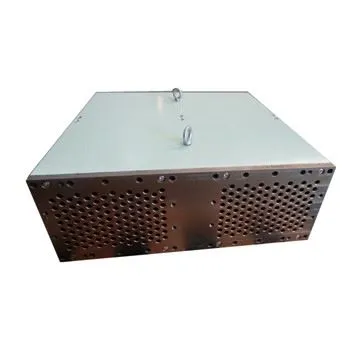
Waste Heat Recovery Units After Gas Turbines
Waste Heat Recovery Units After Gas Turbines
Waste Heat Recovery Units are critical energy-saving systems designed to capture and reuse the high-temperature exhaust heat emitted by gas turbines-typically ranging from 450°C to 650°C. In gas turbine operations (e.g., power generation, industrial cogeneration, or marine propulsion), only 30–45% of the fuel's energy is converted into useful mechanical/electrical power; the rest is lost as waste heat in exhaust gases. WHRUs recover this otherwise wasted energy to generate steam, hot water, or additional electricity, significantly improving the overall energy efficiency (from ~40% to 80%+ in combined cycle setups) and reducing carbon emissions.
The primary role of a Waste Heat Recovery Units after a gas turbine is to "harvest" exhaust heat and convert it into a usable thermal or electrical product, aligned with two key goals:
Energy Efficiency Enhancement: Recover waste heat to offset fuel consumption for auxiliary thermal needs (e.g., process heating, space heating).
Emission Reduction: By reusing heat, less primary fuel is burned, cutting greenhouse gas (GHG) emissions (e.g., CO₂) and other pollutants (e.g., NOₓ).
Shell-and-Tube Heat Exchangers
Design: Consists of a cylindrical shell (exhaust gas flows through the shell) and a bundle of tubes (heated medium, e.g., water, flows through tubes).
Advantages: High pressure tolerance, reliable for large heat loads, easy to maintain (tubes can be cleaned or replaced).
Applications: Industrial process heating, steam generation for small-to-medium gas turbines (5–50 MW).