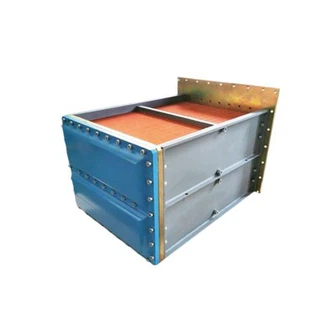
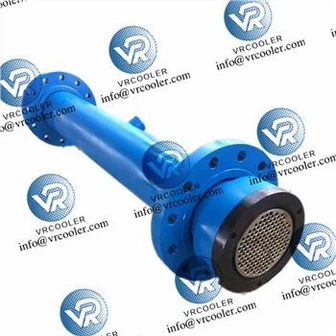
Waste Heat Recovery Unit For Engines
Waste Heat Recovery Unit for Engines
An engine's waste heat recovery unit is a system for capturing and utilizing the waste heat generated during engine operation. During engine operation, only a portion of the energy generated by fuel combustion is converted into mechanical or electrical energy (typically 30-40% efficiency), while the rest of the energy is dissipated into the environment in the form of waste heat. Waste heat recovery devices capture this energy and convert it into useful thermal or electrical energy, thereby improving overall energy efficiency, reducing operating costs, and minimizing environmental impact.
Major Sources of Engine Exhaust Heat
Exhaust heat:
Exhaust gases from an engine have high temperatures, typically between 400°C and 600°C.
Exhaust heat is one of the main sources of waste heat recovery.
Cooling water waste heat:
Engine cooling water absorbs a large amount of heat, and the temperature is usually between 80°C and 95°C.
This heat can be recovered through a heat exchanger.
Lubricant cooling waste heat:
The engine lubrication system also generates waste heat at lower temperatures, but it can still be recovered.

Main Types of Waste Heat Recovery Devices
Heat exchangers:
Used to extract heat from engine cooling water or exhaust.
Types: shell and tube, finned tube, direct contact, etc.
Waste heat boiler:
Used to generate steam from high temperature exhaust gases.
Applications: industrial process heating, heating, power generation.
Combined Heat and Power (CHP, Combined Heat and Power) System:
Uses waste heat to provide thermal energy while generating electricity, realizing the gradual utilization of energy.
Applications: district heating, industrial process heating.
Organic Rankine Cycle (ORC) Systems:
Utilizes low-temperature waste heat (e.g., engine cooling water) to drive an Organic Rankine Cycle system, generating additional electrical energy.
Applications: For low temperature waste heat recovery.
Absorption Chillers:
Utilizes waste heat to drive an absorption chiller to provide cooling capacity.
Applications: air conditioning systems, industrial cooling.
Principle of Operation of Waste Heat Recovery Units
Heat exchanger:
Cooling water or exhaust gas passes through the heat exchanger and transfers heat to the working medium (e.g. water or organic work medium).
The heated medium can be used for heating, hot water supply or power generation.
Waste heat boiler:
High-temperature exhaust gases are passed through a waste heat boiler, which heats water to produce steam.
The steam can be used for industrial process heating or to drive a steam turbine to generate electricity.
Cogeneration Systems:
An engine drives a generator to produce electricity while utilizing waste heat to provide thermal energy.
Combined efficiencies of 80% or more can be achieved.
Organic Rankine Cycle Systems:
Low-temperature waste heat heats an organic work material, causing it to evaporate and drive a turbine to generate electricity.
Suitable for low temperature waste heat recovery.
Application Scenarios of Waste Heat Recovery Device
Industrial field:
Waste heat recovery from factory-owned engines for process heating, steam supply or refrigeration.
Commercial buildings:
Waste heat recovery from standby engines in hotels, hospitals, shopping malls, etc. for heating or hot water supply.
District Energy Systems:
Utilization of engine waste heat for energy efficiency in district heating or cooling systems.
Ships and Vehicles:
Waste heat recovery from marine engines and heavy vehicles for auxiliary power or heating.