Waste Heat Recovery in Compressor Systems
Waste heat recovery in compressor systems is an energy efficiency improvement technique that captures the waste heat generated during compressor operation and uses it for other useful thermal applications. This approach helps to reduce energy waste and improve overall system efficiency.
Here are some key aspects of waste heat recovery in compressor systems:
Principle of operation:
Compressors generate a lot of heat during operation, especially in refrigeration or air conditioning systems.
Waste heat recovery systems work by capturing this heat, usually through a heat exchanger, and using it for heating water, air heating, or other heating applications.
Heat Exchangers:
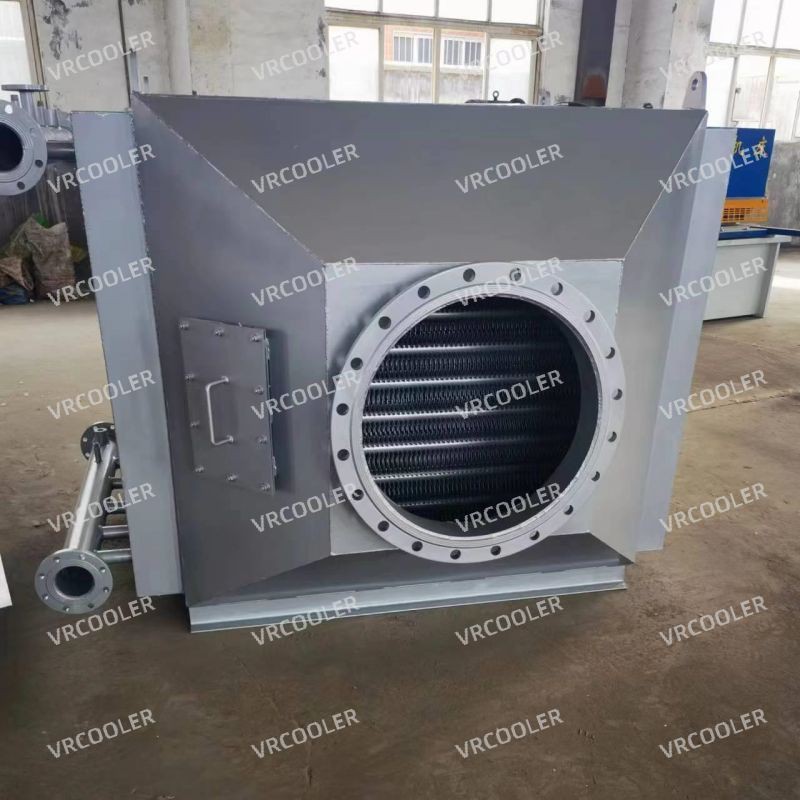
Waste heat recovery systems typically include heat exchangers to transfer heat generated by the compressor to another fluid (usually water or air).
This heat exchange process can be accomplished with an air-to-air, water-to-air, or water-to-water heat exchanger.
Areas of Application:
Waste heat recovery can be applied to a variety of compressor systems including refrigeration, air conditioning, industrial refrigeration, cooling and heating equipment.
In commercial and industrial environments, this can include waste heat recovery for heating or heating processes.
System benefits:
The main benefit of a waste heat recovery system is to save on energy costs by improving overall system energy efficiency and reducing the need for additional energy.
This helps to reduce dependence on conventional energy sources and reduces greenhouse gas emissions.