Waste Heat Recovery From Generators
Waste Heat Recovery from Generators is a technology that utilizes energy efficiently by recovering the waste heat generated during generator operation and converting it into useful heat or electricity, thus improving overall energy efficiency, reducing operating costs, and decreasing environmental impact. During generator operation, only a portion of the energy produced by fuel combustion is converted into electrical energy (typically 30-40% efficiency), while the rest of the energy is dissipated into the environment in the form of waste heat. Waste heat recovery systems capture this energy for other uses.
Sources of Generator Waste Heat
Engine cooling water waste heat:
When a generator is running, a large amount of heat is absorbed by the engine cooling water, which is typically at temperatures between 80°C and 95°C. This heat can be captured by heat exchangers.
This heat can be recovered through a heat exchanger and used for heating or hot water supply.
Exhaust heat:
The exhaust gas from the generator has a high temperature, usually between 400°C and 600°C. The temperature of the exhaust gas can be recovered through a heat exchanger.
The exhaust heat can be recovered through a waste heat boiler or heat exchanger and used to generate steam or heat other media.
Lube oil cooling waste heat:
The generator lubrication system also produces waste heat, at lower temperatures, but which can still be recovered.
The Main Ways of Waste Heat Recovery
Hot water/steam recovery:
Heat from engine cooling water or exhaust gas is transferred to water through a heat exchanger to produce hot water or low-pressure steam.
Applications: heating, process heating, domestic hot water supply.
Combined Heat and Power (CHP, Combined Heat and Power):
While generating electricity, the waste heat is used to provide thermal energy, realizing the gradual utilization of energy.
Applications: district heating, industrial process heating.
Organic Rankine Cycle (ORC) Power Generation:
Utilizes low-temperature waste heat (e.g., engine cooling water) to drive an Organic Rankine Cycle system to generate additional electrical energy.
Applications: For low temperature waste heat recovery.
Absorption refrigeration:
Utilizes waste heat to drive an absorption chiller to provide cooling.
Applications: air conditioning systems, industrial cooling.

Components of a Waste Heat Recovery System
Heat exchanger:
Used to extract heat from engine cooling water or exhaust gas.
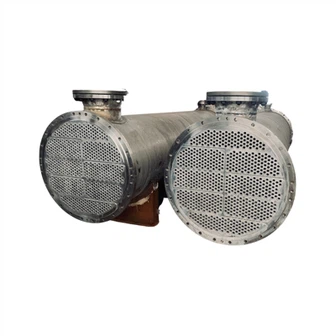
Types: shell and tube, plate, direct contact, etc.
Waste heat boiler:
Used to generate steam from high temperature exhaust.
Heat Storage System:
Stores recovered heat energy for use when needed.
Control Systems:
Monitors and optimizes the waste heat recovery process to ensure efficient system operation.
Application Scenarios for Waste Heat Recovery
Industrial:
Recovery of waste heat from factory-owned generators for process heating, steam supply or cooling.
Commercial buildings:
Waste heat recovery from backup generators in hotels, hospitals, shopping malls, etc. for heating or hot water supply.
District Energy Systems:
Utilization of generator waste heat in district heating or cooling systems to improve energy utilization efficiency.
Remote areas:
In areas with insufficient electricity supply, generator waste heat recovery can provide additional thermal energy and reduce fuel consumption.
Economic and Environmental Benefits of Waste Heat Recovery
Economic benefits:
Reduces fuel consumption and lowers energy costs.
Improves overall generator efficiency (up to 80% or more combined efficiency).
Environmental benefits:
Reduces greenhouse gas emissions and lowers carbon footprint.
Reduces dependence on fossil fuels and promotes sustainable development.
Key Considerations for Designing a Waste Heat Recovery System
Waste Heat Temperature:
High temperature waste heat (e.g., exhaust) and low temperature waste heat (e.g., cooling water) require different recovery technologies.
Heat demand matching:
Recovered heat should be matched as closely as possible to the site's heat demand to avoid wasted energy.
System integration:
Waste heat recovery systems should integrate seamlessly with existing power generation systems to ensure stable operation.
Maintenance and management:
Regular maintenance of heat exchangers and other equipment to ensure long-term efficient operation of the system.