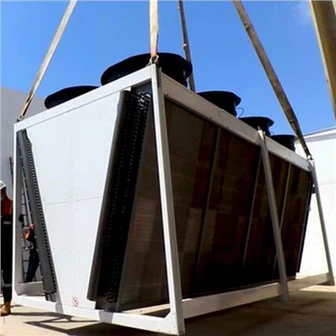
Waste Heat Recovery For Heating Water
1, Core Logic
Heat sources: high temperature flue gas, industrial wastewater, cylinder liner water of air compressors/engines, condensation heat of refrigeration units, exhaust gas from kilns/boilers, etc.
Path: Waste heat → Heat exchanger → Heating cold water → Hot water tank → Heating end (bathing, process, heating).
Value: Replacing gas/electric boilers, significantly reducing hot water costs, with a typical investment payback period of 1-3 years.
2, Common heat sources and applicable scenarios
Refrigeration/heat pump unit condensation heat recovery
During refrigeration, chillers and air/water source heat pumps release a large amount of heat from the condenser.
Installing a condensation heat recovery heat exchanger can directly heat domestic hot water, with a temperature of up to 45-60 ℃.
Applicable: hotels, hospitals, schools, data centers, commercial complexes.
Industrial flue gas waste heat
The medium and low temperature flue gas (150-300 ℃) from boilers, kilns, and drying equipment is used to heat water through flue gas water heat exchangers (such as economizers and heat pipe heat exchangers).
Applicable: Food, textile, printing and dyeing, chemical, and building materials industries.
Industrial wastewater/process waste heat
High temperature production wastewater (40-90 ℃) and process circulating cooling water are used to recover heat through plate/shell and tube heat exchangers.
Applicable: electroplating, printing and dyeing, slaughtering, pharmaceuticals, mechanical processing.
Engine/compressor waste heat
Internal combustion engine (generator, ship) cylinder liner water, exhaust waste heat, or air compressor lubricating oil/exhaust heat.
Applicable: Data center backup power supply, factory owned power station, mining/port equipment.
3, Key equipment and system composition
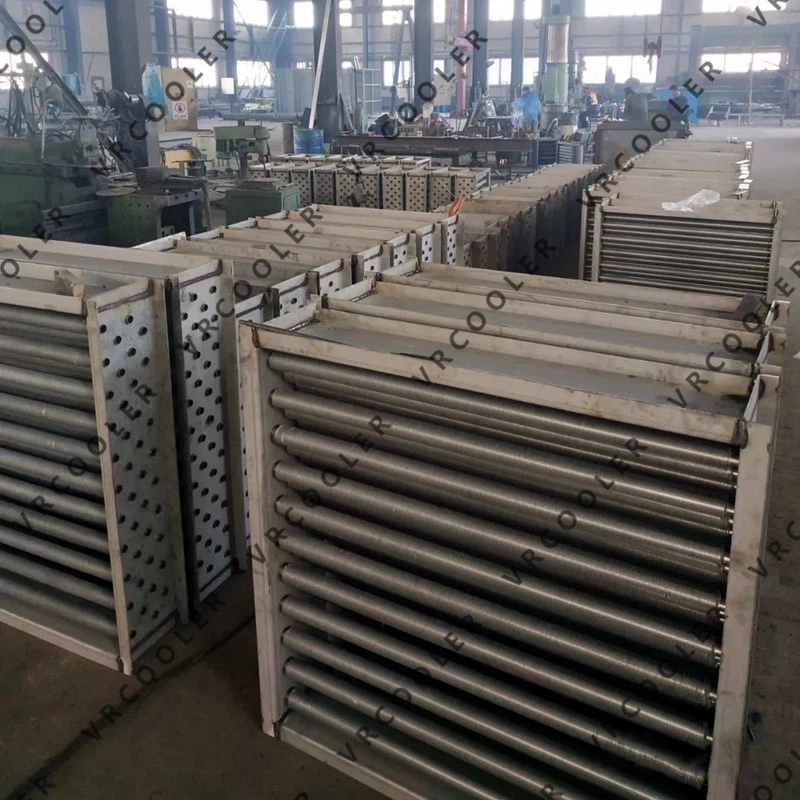
Core Heat Exchanger: Plate Heat Exchanger, Shell and Tube Heat Exchanger, Flue Gas Heat Exchanger, Heat Pipe Heat Exchanger.
Thermal storage buffer: Insulated hot water tank (to balance thermal fluctuations).
Auxiliary heat source: gas/electric auxiliary heat (to be supplemented when waste heat is insufficient).
Control and pump valves: circulation pump, temperature control valve, PLC automatic control system (automatic switching of waste heat/auxiliary heat).
4, Advantages
Significant energy savings: The cost of hot water can be reduced by 50% -90%.
Environmental Protection and Carbon Reduction: Reduce the combustion of fossil fuels and carbon emissions.
Stable and reliable: linked with the main equipment, does not affect production/cooling.
Fast investment return: Small and medium-sized projects can recoup their investment within 1-3 years.
5, Key areas related to your industry (refrigeration/HVAC/industrial)
Refrigeration room priority: The condensation heat recovery of chiller units is the most mature and effective solution, especially suitable for buildings with a large demand for hot water.
Industrial cooling+hot water co production: The waste heat from process cooling is directly converted into process hot water, achieving cold and hot water supply.
Data center/cold chain: heat dissipation and waste heat recovery to meet the needs of hot water or winter heating in the park.