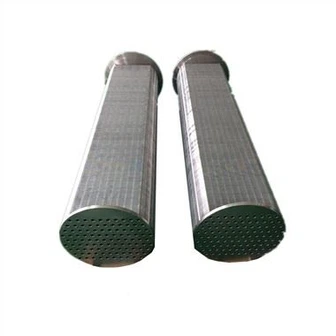
Waste Heat Recovery Cases For Generator Sets – Using Finned Tube Technology
1. Waste Heat Recovery for Gas Generator Sets
The waste heat recovery system for gas generator exhaust must be designed based on the operating characteristics and thermal profile of the unit. The high-temperature exhaust gas produced during combustion contains large amounts of unused thermal energy. Exhaust temperatures usually range from 400–600°C, and the exhaust volume is high, offering significant heat recovery potential.
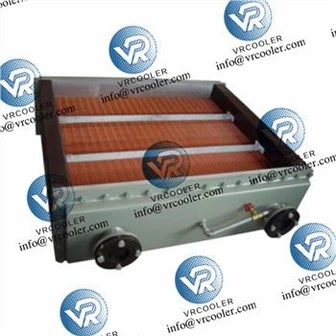
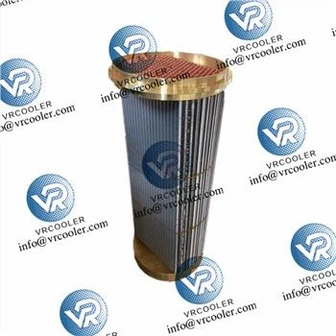
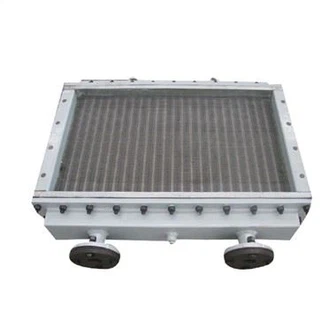
Finned tube technology, with its enhanced surface area, efficient heat transfer, and modular structure, effectively meets the diverse requirements of generator exhaust systems. This solution uses gravity-assisted finned tube structures, optimizing the working fluid properties (if applicable), tube diameter, and fin geometry to achieve staged recovery of high-, medium-, and low-temperature heat.
The core design of the finned tube heat exchanger must consider the exhaust temperature gradient and heat load distribution. In high-temperature zones (above 500°C), copper–water finned tubes are selected for their compatible boiling characteristics and stable heat transfer behavior. In the medium-temperature zone (300–500°C), copper–ammonia finned tubes are used to balance thermal conductivity and cost.
To improve heat transfer effectiveness, staggered fin arrangements are applied. Fin spacing and height are optimized through fluid dynamics simulation to reduce airflow resistance and enhance turbulence. The heat exchanger adopts a spiral tube configuration, arranged in counterflow with the exhaust stream to maximize temperature difference and achieve cascading heat utilization.
The system includes exhaust pretreatment, a finned tube heat exchange module, and a heat utilization loop. Before entering the heat exchanger, exhaust gas passes through a filtration unit to remove particulates and prevent fin fouling. The finned tube array is modular, allowing dynamic adjustment of operating modules according to generator load. Recovered heat is transferred through a water-side loop to external systems, serving as a heat source for a steam generator or for combined-cycle power generation.
To match the variable operating conditions of gas generator sets, the system incorporates temperature–flow interlock control. By adjusting cooling water flow and activating or deactivating finned tube modules, the system maintains thermal stability.
The finned tube heat exchanger achieves a heat transfer coefficient of 800–1200 W/(m²·K) and can recover 35–45% of exhaust waste heat under typical conditions. Exergy efficiency is optimized by reducing internal fluid resistance and minimizing convection losses on the exhaust side. At 550°C exhaust temperature and 200 Nm³/s flow rate, the heat exchanger can output approximately 12 MW of usable thermal energy, increasing generator efficiency by 6–8%.
Advanced nano-coating technology on fin surfaces further minimizes fouling and extends maintenance intervals. Material selection and system reliability are key engineering considerations. Finned tubes use carbon steel, and the exchanger casing uses heat-resistant steel and stainless-steel composites for strength and corrosion resistance. Expansion joints and metal gaskets accommodate thermal expansion, and compatibility between working fluid (if present) and tube materials ensures long-term stability.
The system integrates with the generator control system to coordinate exhaust temperature, pressure, and load, preventing backpressure issues. Field tests confirm stable operation across all load ranges with significant energy-saving and environmental benefits.

2. Waste Heat Recovery for Gas (Mine Gas) and Biogas Generator Sets
The finned tube–based waste heat recovery solution for gas and biogas generator sets focuses on high-efficiency and compact heat transfer performance. Gas generator exhaust typically reaches ~550°C, while biogas generator exhaust is lower, usually 200–350°C. Tail gas composition differs: mine gas exhaust contains more methane and fewer impurities, while biogas exhaust may contain sulfides, moisture, and corrosive components, requiring higher corrosion resistance from heat exchanger materials.
Finned tube technology, with its enhanced surface area, passive operation, and modular design, is well-suited for both exhaust types.
For high-temperature gas generator exhaust, ND steel finned tubes are selected. The evaporative section (or high-temperature finned surface) increases heat transfer area and absorbs exhaust heat. Heat is transferred through the finned tube to the heat transfer medium (water or thermal oil), which can preheat boiler feedwater or drive an absorption chiller.
For biogas generator exhaust, corrosion-resistant materials such as titanium alloy or stainless steel are required, often combined with protective coatings. Fin spacing is optimized for low–temperature-difference heat transfer. Additional pretreatment-such as filtration and neutralization-is needed to prevent corrosion from acidic condensate.
Thermodynamic optimization focuses on matching exhaust flow rate with the finned tube array. Mathematical models determine finned tube quantity and arrangement. For gas generator sets, multistage finned tube sections enable cascading recovery of high- to low-temperature heat. For biogas units, larger fin area or increased fluid circulation compensates for lower temperature differences.
System adaptability must also be considered. Adjusting working fluid charge or adding bypass controls ensures stable performance under fluctuating loads.
Modular finned tube exchangers simplify installation and maintenance, especially for retrofit projects. Compared with traditional shell-and-tube or plate heat exchangers, finned tube systems provide more compact size and reduced footprint.
Economic analysis shows that although finned tube materials cost slightly more, the significantly higher thermal efficiency (typically 80–95%) and long service life (10+ years) deliver strong lifecycle cost advantages. For biogas projects, integrating finned tube recovery with CHP systems can increase overall thermal efficiency by 20–30%.
Future development may include phase-change materials or intelligent controls for dynamic optimization.
3. Waste Heat Recovery for Diesel Generator Sets
Finned tube technology, known for its high efficiency and reliability, offers strong potential for diesel generator exhaust heat recovery. Diesel generator exhaust temperatures typically range from 300–600°C, containing large amounts of recoverable heat. Traditional systems often suffer from high thermal resistance and low efficiency due to complex structures. Finned tube systems, with optimized heat transfer paths and carefully selected materials, significantly increase recovery rates while maintaining compactness and durability.
Working fluid selection (if used) must match exhaust conditions. Water suits medium-temperature ranges (200–400°C) but requires corrosion control; ammonia-based fluids suit 400–600°C but require corrosion-resistant materials. Finned tubes with spiral-wound or plate fins provide strong heat transfer enhancement, improving overall heat transfer coefficients by 20–30%.
To handle generator load fluctuation, multiple independent finned tube modules are installed in parallel, allowing flexible operation and preventing localized overheating.
A staged recovery system is recommended:
- High-temperature section (>500°C): direct sensible heat recovery
- Medium section (300–500°C): enhanced heat transfer via finned surface geometry
- Low-temperature section (<300°C): preheating combustion air or coupling with EGR
Recovered heat may be integrated with an Organic Rankine Cycle (ORC) or steam generator, increasing overall energy conversion efficiency by 15–25%.
Flexible connections between hot and cold sections reduce thermal stress. High-temperature insulation coatings minimize radiative loss. Optimizing the tube diameter–wall thickness ratio (1:0.03–0.05) maximizes heat transfer efficiency. Increasing the internal fluid fill level by 10–15% improves startup performance. Intelligent control algorithms based on exhaust temperature fields allow real-time adjustment of fin angle or flow distribution.
These improvements raise the average heat recovery efficiency from 68% to 82%, while reducing maintenance frequency by ~40%. Diesel exhaust contains sulfur compounds that can corrode finned tube surfaces, so titanium alloy or ND steel is recommended. Regular inspection ensures long-term reliability.