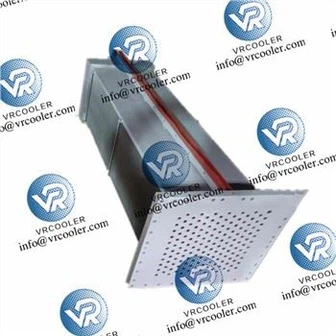
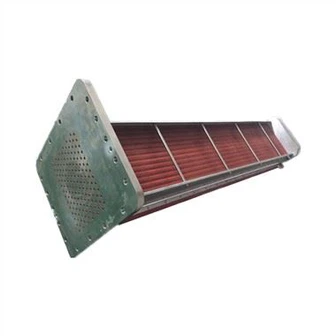
How Finned Tube Generator Coolers Improve The Performance Of Hydrogen-Cooled Generators
Hydrogen-cooled generators are widely used in large power plants because hydrogen offers superior heat transfer capability, low density, and reduced windage losses. However, to maintain stable hydrogen temperatures and prevent overheating of generator windings, the cooling system must efficiently remove the thermal load produced during operation.

Finned tube generator coolers play a vital role in this process and significantly enhance overall generator performance.
1. Higher Heat Transfer Efficiency
Finned tube coolers increase the effective surface area available for heat exchange between the generator's internal hydrogen gas and the cooling medium (usually water or air).
This expanded surface area allows:
Faster heat dissipation
Lower coolant temperature rise
Improved thermal stability inside the generator
As a result, the generator can operate continuously at higher loads without temperature-related performance limits.
2. Stable Hydrogen Temperature Improves Electrical Efficiency
Hydrogen-cooled generators rely on stable and low gas temperatures to reduce electrical resistance within stator windings.
When windings stay cooler:
Copper losses decrease
Electrical efficiency increases
Generator output remains stable under fluctuating loads
Finned tube coolers ensure hydrogen remains at the optimal temperature for maximum generator efficiency.
3. Longer Generator Component Lifespan
Thermal stress accelerates insulation aging, metal fatigue, and oxidation. Efficient finned tube cooling reduces operating temperatures across critical components, including:
Stator windings
End windings
Rotor surfaces
Hydrogen seals
This leads to:
Longer insulation life
Reduced maintenance frequency
Lower risk of unplanned outages
4. More Reliable Operation Under High Load Conditions
During peak demand periods or extended baseload operation, generators produce more heat.
Finned tube coolers handle these conditions by:
Providing high heat removal capacity
Maintaining stable hydrogen pressure and density
Preventing hot spots within the generator housing
This ensures uninterrupted power generation, even when the generator is running close to rated capacity.
5. Reduced Cooling Water Consumption
Because finned tube coolers enhance heat transfer efficiency, the required cooling water flow rate is lower compared to bare-tube designs.
Benefits include:
Lower pumping power
Reduced water consumption
Improved plant energy efficiency
This makes finned tube coolers suitable for power plants that prioritize energy savings and operating cost reduction.
6. Compact and Space-Efficient Cooling Solution
The addition of fins greatly increases heat exchange capability without increasing the volume of the cooling system.
This allows:
Compact cooler designs
Easier integration into existing generator enclosures
Simplified retrofits and upgrades
Space efficiency is especially important in older power plants or limited machine room layouts.
7. Enhanced Performance in Harsh Environments
Power plants often operate under harsh conditions-high humidity, corrosive atmospheres, or airborne contaminants.
Finned tube coolers can be manufactured with:
Aluminum, copper, or stainless-steel fins
Anti-corrosion coatings
Robust welded or expanded tube-to-fin connections
These features help the cooler maintain optimal performance for decades.
Finned tube generator coolers are a critical component for maximizing the performance, efficiency, and reliability of hydrogen-cooled generators. By improving heat transfer, stabilizing hydrogen temperature, reducing maintenance, and extending equipment life, they ensure safe and efficient long-term operation in power plants worldwide.